
A glass of water every hour: the anti-dehydration rule for heatwave days
Specialists recommend 2–3 litres of fluids daily, 500 g of fruit and 300 g of vegetables, along with clear guidelines for cooling the home and recognising heatstroke.
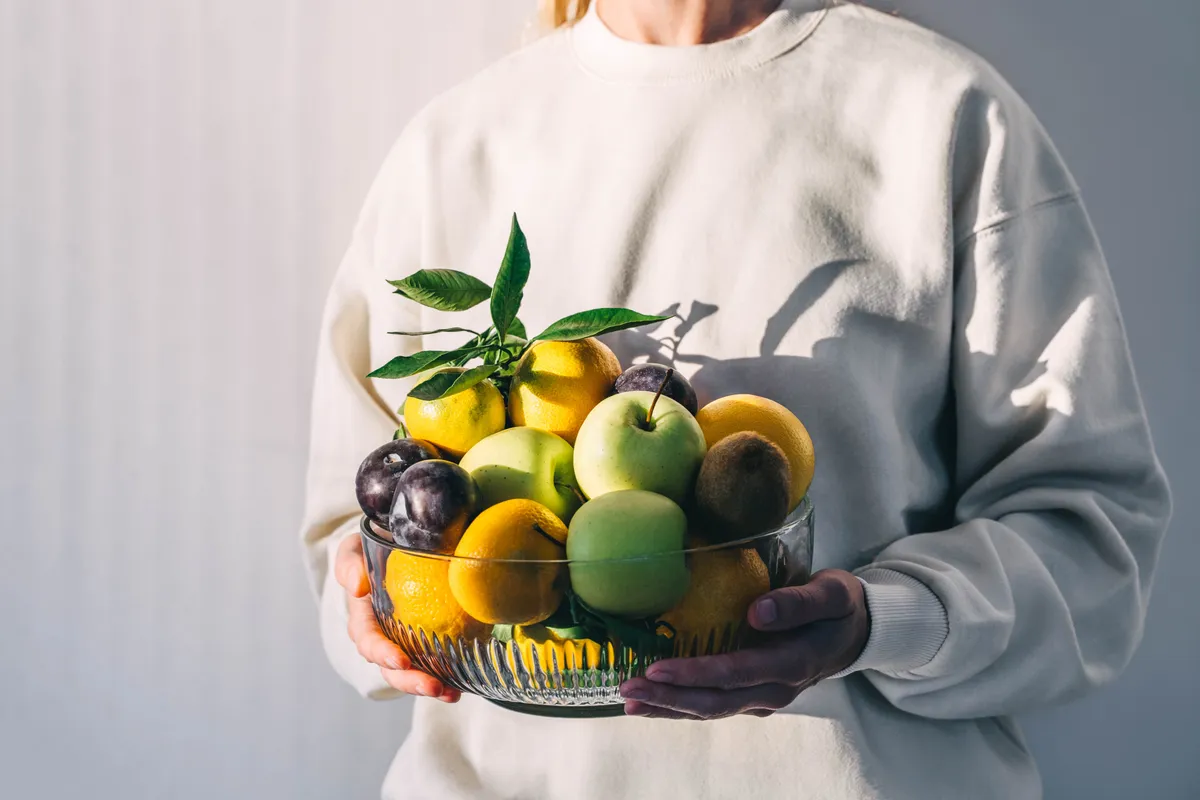
 Foto ilustrativă
During a heatwave, the body rapidly loses water and electrolytes through perspiration, and the risk of dehydration increases significantly. Specialists recommend that adults drink between two and three litres of fluids daily, equivalent to a glass of water every hour. Alcohol, sweetened fizzy drinks, and excessive coffee consumption should be avoided, as they contribute to dehydration.
A simple indicator of hydration levels is the colour of urine: if it is pale yellow, the body is adequately hydrated; a darker colour indicates that more fluids are needed.
What specialists recommend for the daily diet
On days with high temperatures, five light meals a day are recommended: breakfast, two snacks, lunch, and a dinner with moderate portions. The diet should include:
- approximately 500 grams of fruit per day;
- 300 grams of fresh vegetables;
- low-fat dairy products;
- fish and meat that have been cooked through;
- soups and broths, which are useful for replenishing electrolytes lost through perspiration.
Heavy meals, fried foods, fast food, and dishes containing raw eggs should be avoided, due to the higher risk of spoilage at elevated temperatures.
Protection against the heat
Doctors recommend avoiding sun exposure during the hottest hours of the day and wearing light-coloured clothing made from natural fabrics, along with a hat and sunglasses. Sun cream with a protection factor of at least SPF 30 should be applied approximately 30 minutes before exposure and reapplied every two hours. Strenuous physical activity should only be undertaken in the early morning, between 4:00 and 7:00, when it is cooler.
How to keep the home cool
It is recommended to keep the indoor temperature below 32 degrees Celsius during the day and below 24 degrees at night. Windows should be opened early in the morning and in the evening, whilst during the day it is advisable to keep them closed with the blinds drawn. Air conditioning should be set to around 27 degrees Celsius and used together with a fan to improve air circulation.
People with cardiovascular conditions are advised to monitor their blood pressure more frequently, whilst those with diabetes should check their blood sugar levels regularly. Patients on complex medication regimens should consult their doctor, as some medicines can affect the body's ability to adapt to heat. Pregnant women should drink fluids consistently, avoid prolonged sun exposure, and eat small, frequent meals.
When medical assistance is needed
Heatstroke is a medical emergency that can be life-threatening. Its signs include hot and dry skin, confusion, disorientation, convulsions, or loss of consciousness.
In such cases, the person must be moved to shade immediately and cooled with cold compresses or by being sprinkled with water, and the emergency services must be called without delay. If the person is unconscious or disoriented, they must not be given fluids orally. Specialists emphasise that any sign of severe exhaustion, persistent cramps, or symptoms of heatstroke requires prompt medical attention, as swift intervention can save lives.
Content paraphrased and adapted by SeniorHelp from verified public sources.
Original source: Realitatea →Previous article
West Nile: 10 confirmed cases in Romania, two deaths in elderly patients with comorbidities
Next article
ANMDMR blocks Colebil and Panczebil in pharmacies due to active substance concerns
Similar news
 Foto ilustrativă
Herniated Disc: Causes, Symptoms and Treatment Options, Including Surgical
21 September 2026
 Foto ilustrativă
Physical activity during oncological treatment, supported by doctors
21 September 2026

De ce mișcarea rămâne importantă în timpul tratamentului oncologic
21 September 2026

Cambridge Study: Reading for Pleasure Benefits Mental Health and Reduces the Risk of Dementia
20 September 2026
Autumn plums: fibre, easy digestion and the recommended daily portion
20 September 2026
 Foto ilustrativă
What Foods Help Control Blood Sugar and Cholesterol, as Explained by an Endocrinologist
19 September 2026