
Study: the genetic link between gut health and depression
Australian researchers have discovered a strong genetic link between bowel disease and depression, which can reduce life expectancy by up to 12 years.
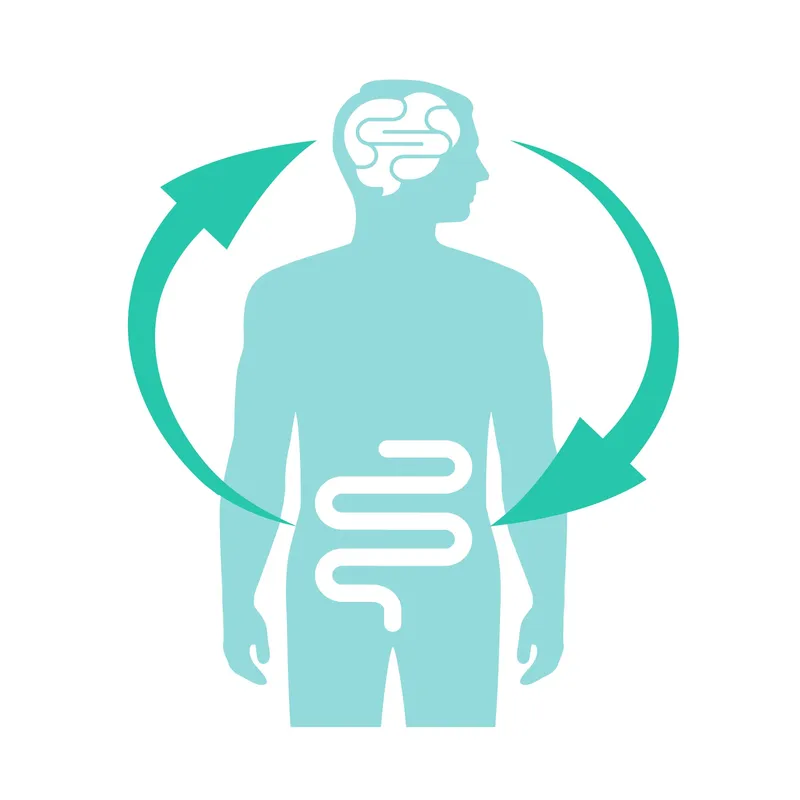
Researchers at the QIMR Berghofer Medical Research Institute in Australia have identified a significant genetic link between conditions affecting gut health and depression. The finding helps explain why physical illnesses frequently occur alongside this mental health condition, according to a statement from the institute, cited by the Xinhua news agency and reported by Agerpres.
According to the cited source, physical illnesses can contribute substantially to the poor health of people with depression, who are at risk of dying up to 12 years earlier than those without the condition.
The study, published in the journal Nature Genetics, examined the genetic relationship between major depressive disorder and four categories of physical illness: cardiovascular, metabolic, gastrointestinal, and immune.
What the researchers discovered
All four categories of illness were found to be genetically linked to depression, but gastrointestinal conditions showed the strongest association. These include irritable bowel syndrome, gastro-oesophageal reflux disease, gallstones, and peptic ulcer disease.
The researchers found that the genetic risk factors involved in these physical illnesses overlap with nearly half of those associated with depression.
The role of the gut-brain axis
Damian Woodward, a doctoral candidate at QIMR Berghofer and the study's lead author, explained that the results highlight the importance of treating depression through an approach that goes beyond focusing solely on the brain.
"We found that gastrointestinal conditions had the strongest shared genetic link with depression, confirming that the gut-brain axis plays an essential role in explaining why depression so frequently occurs alongside physical conditions," said Woodward.
The researcher added: "The gut is often referred to as the 'second brain', sharing many of the same signalling chemicals and containing a large number of nerve cells." The study identified genetic factors that influence communication between the gut and the brain, which may contribute to the development of depression, gut dysfunction, and immune-related conditions.
The authors hope that these findings will help identify new treatment options, including through the repurposing of existing medications, and reduce the broader impact that depression has on overall health.
Content paraphrased and adapted by SeniorHelp from verified public sources.
Original source: Digi24 →Previous article
Study: memory begins to deteriorate around the age of 50, not in old age
Next article
Paid sick leave: how many months of contributions are required and when it is not required at all
Similar news

Study on 340,000 people: which type of alcohol increases the risk of death the most
28 October 2026

One isometric exercise, once a week, helps maintain low blood pressure
28 October 2026

370,000 Doses of Flu Vaccine Available in Pharmacies. Who Is Eligible for Reimbursement
27 October 2026

370,000 doses of flu vaccine available in warehouses for pharmacy orders
27 October 2026

PET-CT PSMA: the investigation that precisely locates prostate cancer
27 October 2026

Ultra-processed foods linked to hidden damage to blood vessels in the brain
25 October 2026