
Autumn plums: fibre, easy digestion and the recommended daily portion
Fresh or dried plums support intestinal transit and provide fibre, antioxidants, and vitamins. A doctor explains the appropriate portions for each form of the fruit.
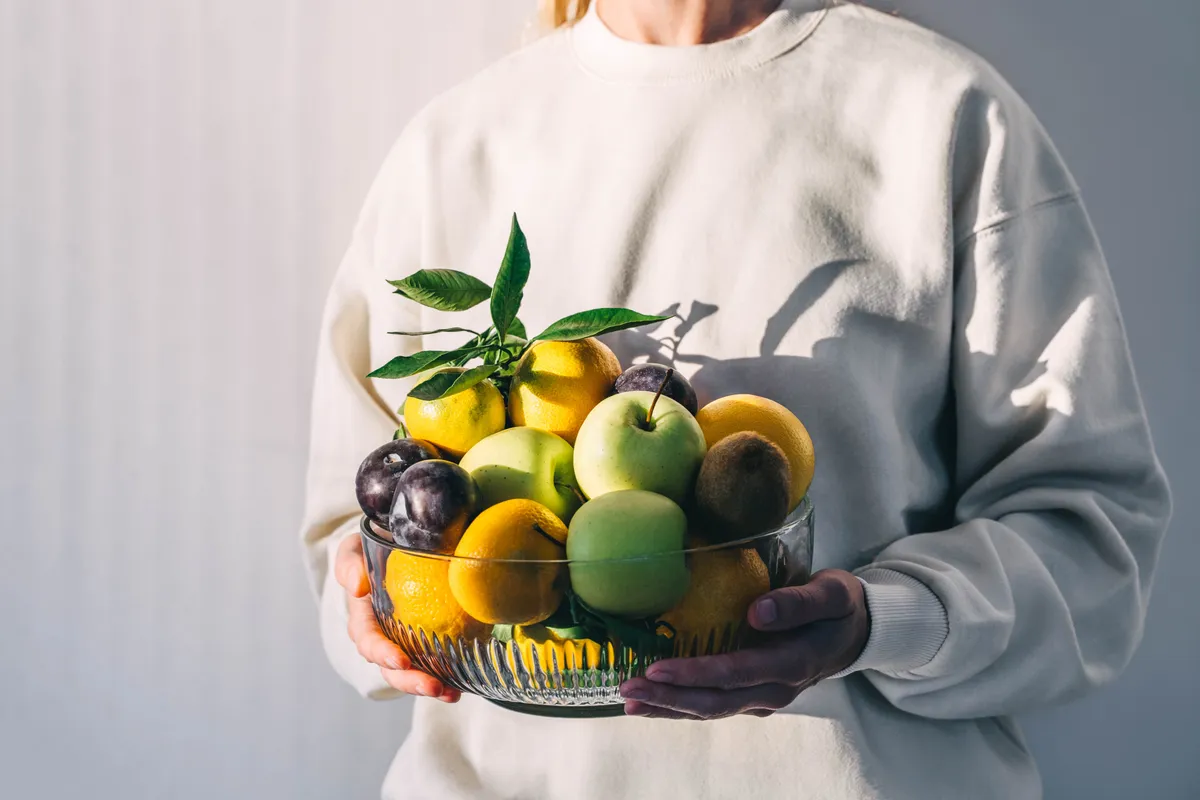
Autumn brings plums to the fore as a valuable source of fibre, antioxidants, vitamins, and minerals. Whether fresh or dried, these fruits can support digestion and fit seamlessly into a balanced diet. Dr. Andra Neacșu, a specialist endocrinologist with a focus on nutrition, outlined the benefits of plums and recommended portions for Digi24.ro.
One important consideration is the form in which they are consumed, particularly for those monitoring their blood sugar levels: the dried variety has a higher concentration of natural sugars and more calories compared to fresh fruit.
What are the benefits of plums
According to the doctor, plums stand out first and foremost for their dietary fibre content: 100 grams of fresh fruit provides around 1.4–1.5 grams of fibre, which helps maintain a feeling of fullness and supports healthy digestive function. Fibre also feeds the beneficial bacteria in the gut, contributing to microbiome balance.
The fruit is well known for its effect on bowel transit, owing to the sorbitol it contains — a compound that can stimulate gut motility and may be helpful for those dealing with constipation. For this reason, plums, both fresh and dried, frequently appear in recommendations for digestive support.
Another benefit is their antioxidant content, particularly polyphenols and anthocyanins — compounds that protect cells from oxidative stress. Anthocyanins are also the pigments responsible for the deep colour of dark-skinned varieties.
In terms of nutrition, plums provide vitamin C, vitamin K, and potassium, whilst their energy value is low — approximately 50 kilocalories per 100 grams — making them well suited to a balanced diet.
What portion size is recommended
For a snack, the doctor recommends a portion of approximately 150–200 grams of fresh plums, which can be eaten as they are, between meals, at breakfast, or as a dessert after the main meal.
It is recommended to eat them with the skin on, after washing them thoroughly, as the skin contributes to fibre and antioxidant intake. People who monitor their blood sugar levels should pay close attention to portion size and how they incorporate fruit into their diet.
As plums ripen, they become sweeter, and their effect on blood sugar depends on the quantity consumed, the composition of the meal, and the individual response of the body. For better fibre intake and slower sugar absorption, it is preferable to eat the whole fruit rather than consuming it as juice.
Dried plums are an alternative, but should be consumed in smaller quantities — around 20 grams as a guideline — because the removal of water concentrates the natural sugars and increases the caloric value relative to the same weight. The doctor recommends choosing plain products with no added sugar, oils, or other additives.
Content paraphrased and adapted by SeniorHelp from verified public sources.
Original source: Digi24 →Previous article
Government allocates an additional 1 billion RON for energy compensation and transport for people with disabilities
Next article
Grindeanu Demands Explanation from Fitch Following Warning Over Romania's Downgrade Risk
Similar news
 Foto ilustrativă
West Nile Virus: 95 cases in Romania in 2026, the majority amongst people aged 60–69
18 September 2026
 Foto ilustrativă
Cluster headache: intense one-sided head pain
18 September 2026
 Foto ilustrativă
Deep Vein Thrombosis: What Minimally Invasive Clot Aspiration Treatment Involves
17 September 2026
 Foto ilustrativă
Why gastroesophageal reflux worsens at night when lying down
17 September 2026

Hernia Surgery: Faster Recovery Through Minimally Invasive Methods, More Common in Private Clinics Than in Public Hospitals
16 September 2026
 Foto ilustrativă
Canned tuna and mercury: what a nutritionist says about the risks and serving sizes
16 September 2026