
National digital health platform: What changes it brings for elderly patients
The new digital platform will connect patients with healthcare providers, simplifying elderly people's access to medical care.

The digitalisation of Romania's healthcare system is taking a significant step forward with the announcement of a national digital platform set to revolutionise the way patients — including older adults — access medical services. This initiative promises to radically transform the healthcare experience for elderly people, offering modern solutions to the challenges they face when navigating the health system.
The new digital platform will function as a central hub connecting patients with all healthcare providers, from GPs to specialists in hospitals and private clinics. For seniors who frequently struggle to book appointments or obtain the medical information they need, this technological solution will considerably simplify administrative processes and reduce waiting times.
The rollout of this platform brings particular benefits for older adults, who represent a vulnerable group when faced with complex medical bureaucracy. By centralising information and services, seniors will be able to access their complete medical history more easily, receive reminders for routine check-ups, and communicate more effectively with the medical teams caring for them.
The digital transformation of the healthcare system is designed to address the specific needs of Romania's ageing population. Older people, who require frequent medical attention for chronic conditions, will benefit from faster access to medical information and better coordination between the various specialists monitoring their health.
For families caring for elderly relatives, the platform will offer greater transparency and the opportunity to be actively involved in the medical care process. Family members will be able to monitor the health of their parents or grandparents more easily, and will receive real-time updates on the progress of treatments or the need for urgent medical intervention.
The success of this initiative will depend largely on how well it is adapted to the specific needs of older adults, many of whom have limited digital skills. Education and support programmes will be essential to ensure that seniors can fully benefit from the advantages of modern medical technology — guaranteeing that digitalisation does not create new barriers to accessing healthcare.
Content paraphrased and adapted by SeniorHelp from verified public sources.
Original source: Adevărul →Previous article
Seniors Will Be Able to Access Their Own Electronic Medical Records Through a New Digital Platform
Next article
Spasticity After Stroke – The Complication That Can Leave Seniors Entirely Dependent on Care
Similar news
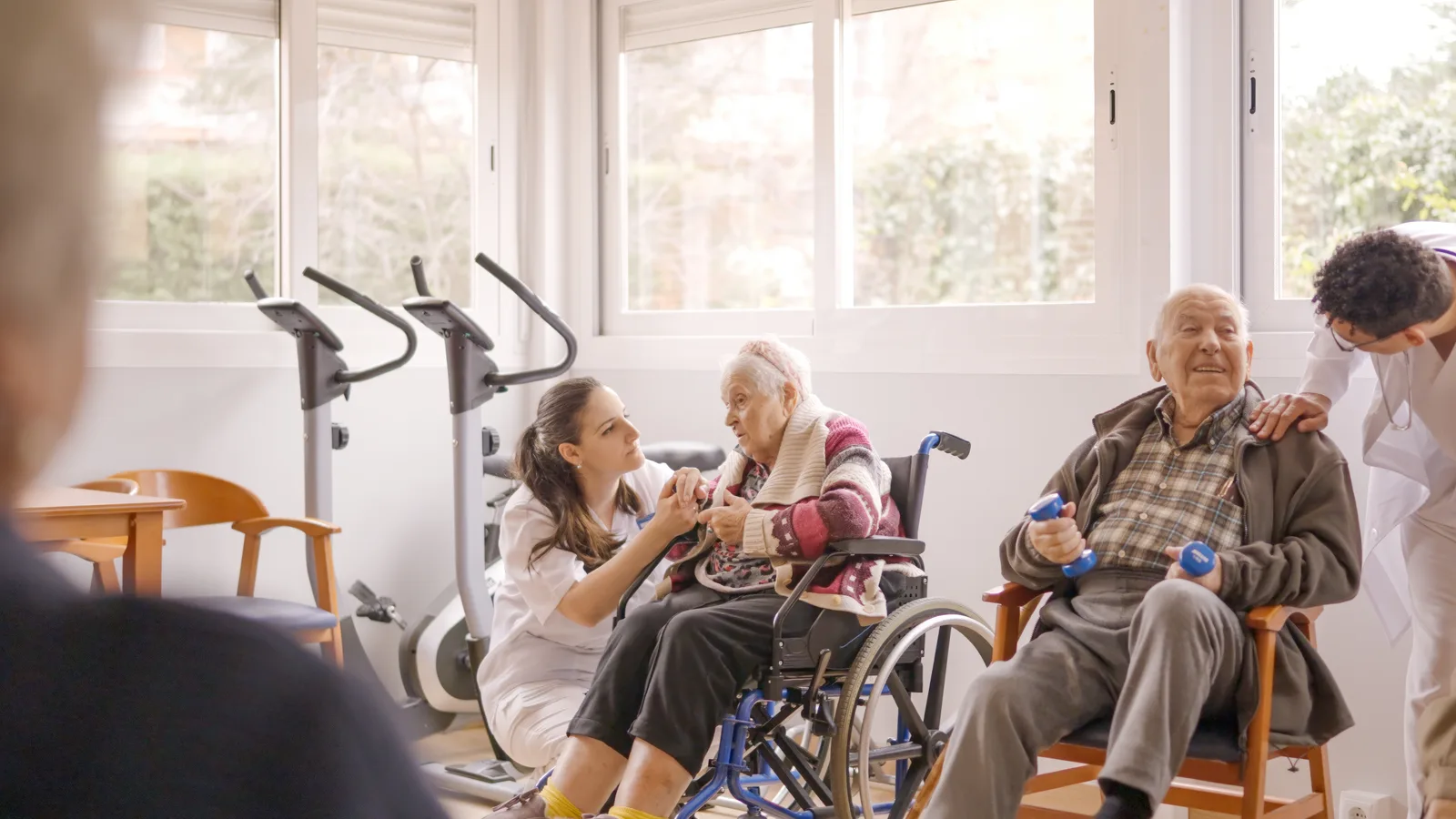 Foto ilustrativă
Vaccinul gripal gratuit în 2026: cine beneficiază și când e recomandat să te imunizezi
26 September 2026
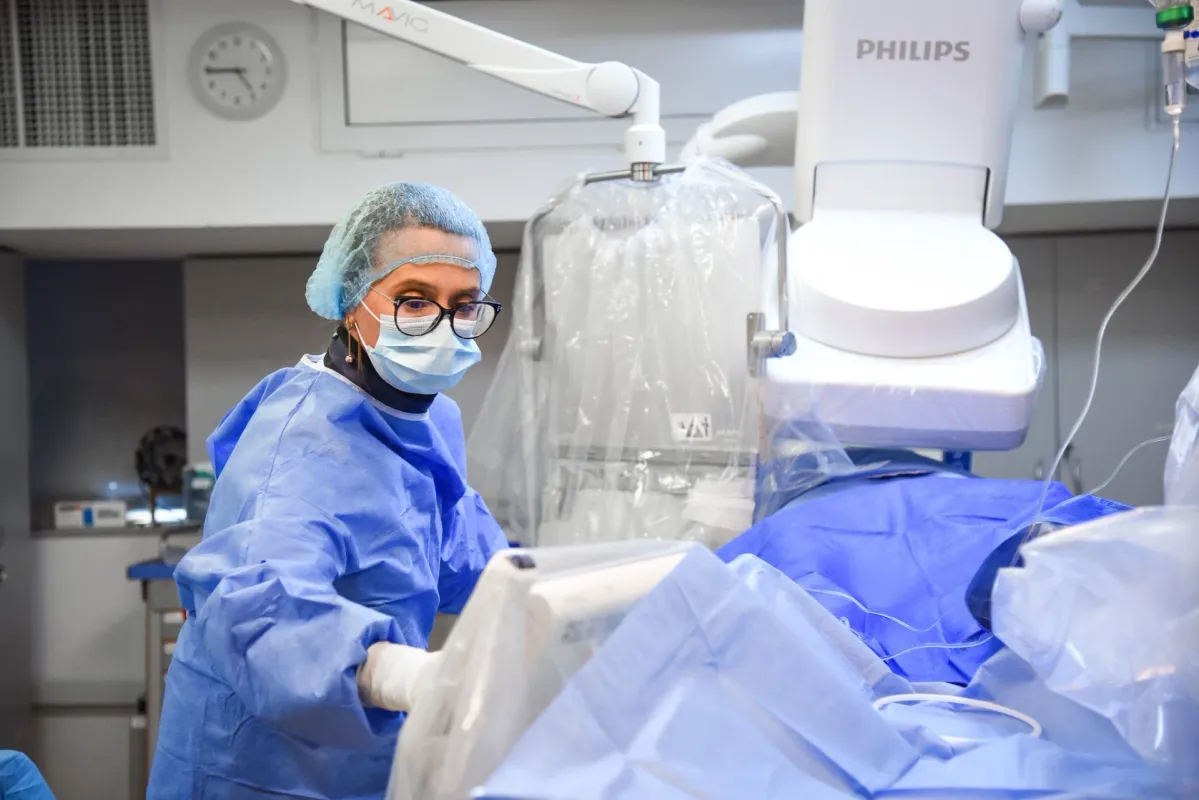
Peripheral Arteriography: the investigation that reveals blockages in the arteries of the legs and arms
25 September 2026

Socola Study: 6 in 10 Romanians Quickly Forget Essential Details. When Should We Be Concerned
25 September 2026
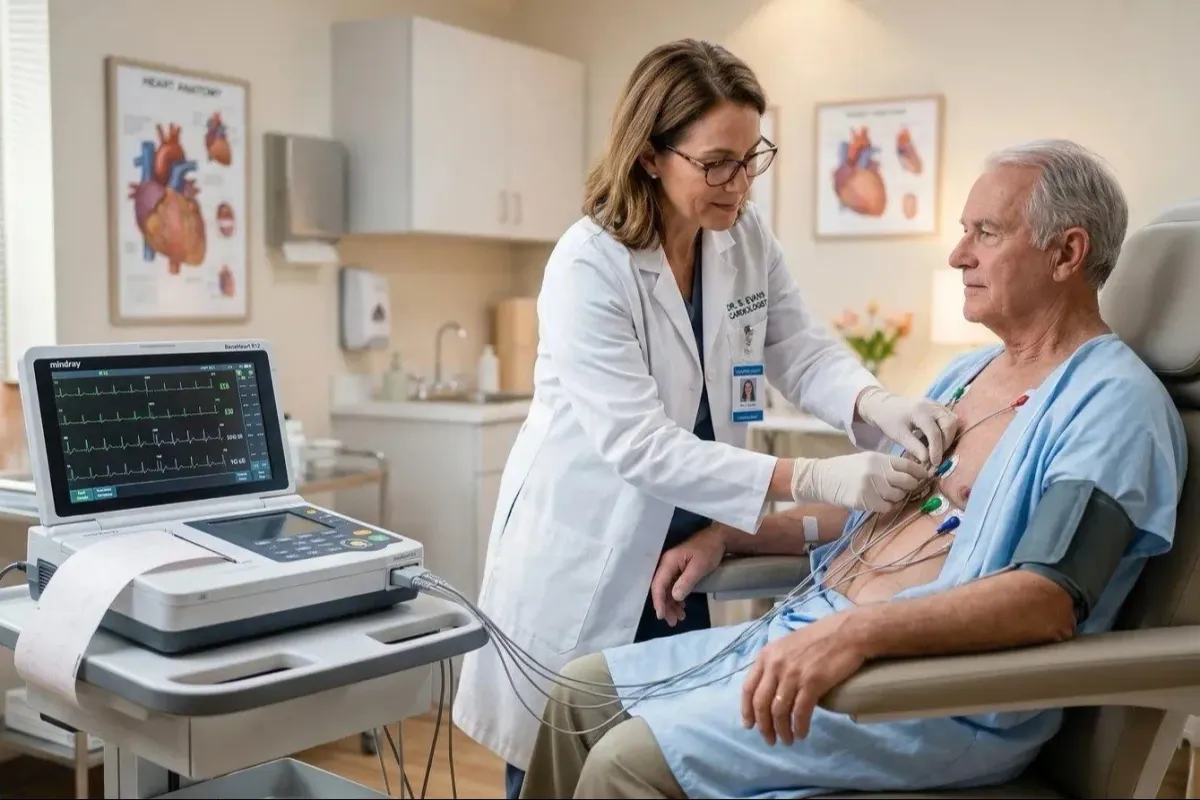
Palpitations, high blood pressure, chest pain: when you need a cardiologist
24 September 2026
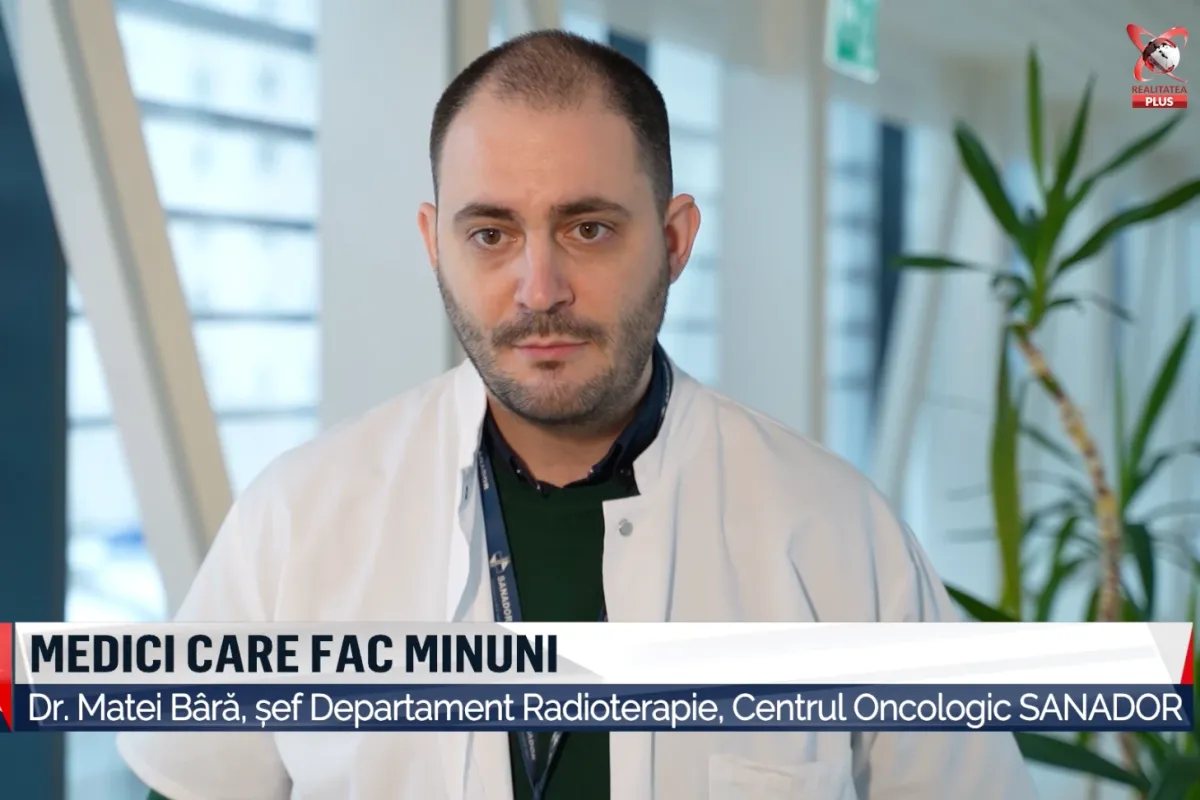
Radiotherapy in the treatment of lung cancer: when and how it is used
24 September 2026

Aerophagia: when bloating and belching come from swallowed air, not from food
23 September 2026