
Patient aged 72 with severe cardiac conditions – treatment and recovery journey
Cazul unui senior cu boli cardiovasculare complexe demonstrează importanța monitorizării continue și a tratamentului adaptat pentru vârstnici. The case of an elderly patient with complex cardiovascular conditions highlights the importance of continuous monitoring and tailored treatment for older adults.

Cardiovascular disease is one of the leading causes of morbidity and mortality among the elderly population. Advanced age is a major risk factor, contributing both to the development of new cardiac conditions and to the worsening of pre-existing ones. This becomes particularly evident in cases where patients were diagnosed with heart problems from a young age.
The story of Mihai, a 72-year-old man, perfectly illustrates the complexity of managing heart disease in older patients. Diagnosed with a cardiac condition in his youth, he benefited for nearly two decades from rigorous medical treatment, accompanied by regular check-ups that kept the disease under control.
The long-term management of cardiovascular conditions in elderly patients requires a multidisciplinary and personalised approach. As the body ages, the heart's compensatory capacity diminishes and the response to medication may change. For this reason, periodic adjustment of treatment regimens becomes essential in maintaining the quality of life of older patients.
Regular monitoring of elderly patients with heart disease involves not only periodic clinical assessments, but also adapting one's lifestyle to changing circumstances. Moderate physical activity, a balanced diet low in sodium and saturated fats, and stress management all become fundamental components of comprehensive treatment.
For families caring for older adults with cardiovascular conditions, it is crucial to understand the warning signs that require urgent medical attention. Chest pain, breathlessness, palpitations, or swelling in the legs may indicate a deterioration in cardiac condition and require prompt medical evaluation.
Mihai's case underlines the importance of continuity of medical care and adherence to prescribed treatment. Optimal management of cardiovascular disease in older patients can allow not only prolonged survival, but also the maintenance of an acceptable quality of life, enabling seniors to remain active and independent for as long as possible.
Content paraphrased and adapted by SeniorHelp from verified public sources.
Original source: Digi24 →Previous article
Rising Fuel Prices Threaten Ambulance Services for Seniors
Next article
Slimming Injections for the Elderly: Risks and Contraindications That Seniors Need to Know
Similar news
 Foto ilustrativă
Vaccinul gripal gratuit în 2026: cine beneficiază și când e recomandat să te imunizezi
26 September 2026

Peripheral Arteriography: the investigation that reveals blockages in the arteries of the legs and arms
25 September 2026

Socola Study: 6 in 10 Romanians Quickly Forget Essential Details. When Should We Be Concerned
25 September 2026
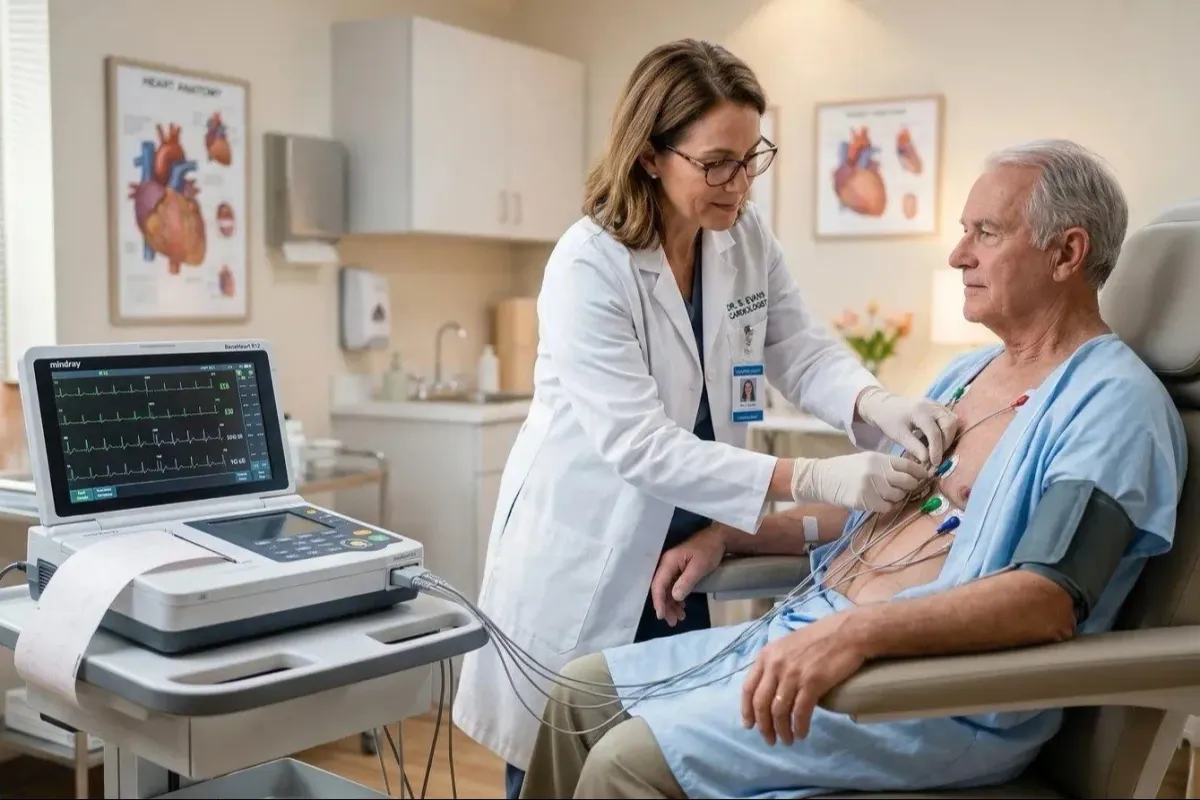
Palpitations, high blood pressure, chest pain: when you need a cardiologist
24 September 2026
Radiotherapy in the treatment of lung cancer: when and how it is used
24 September 2026

Aerophagia: when bloating and belching come from swallowed air, not from food
23 September 2026