
New recommendations for managing high cholesterol in older adults
Specialists are updating protocols for the diagnosis and treatment of high cholesterol, with a focus on cardiovascular disease prevention in older adults.
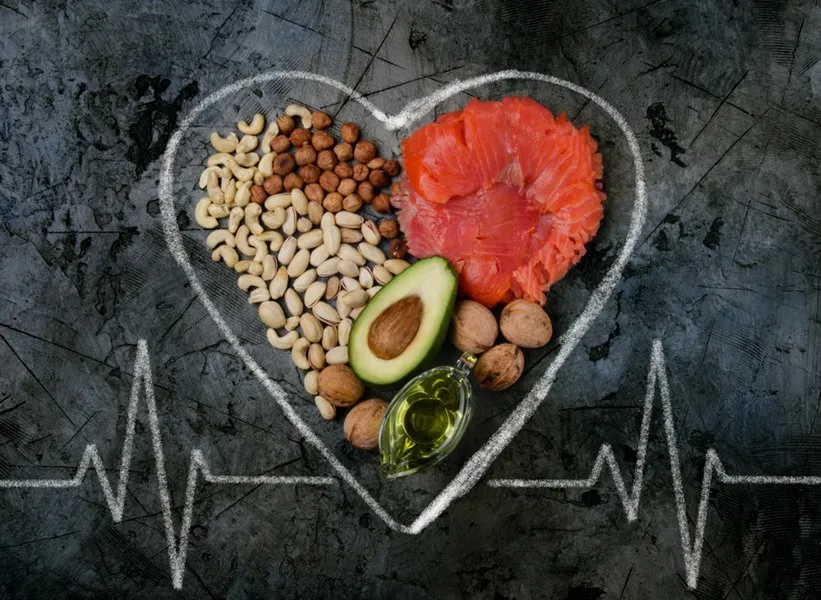
Cardiovascular disease is one of the leading causes of death among older adults, and high cholesterol is a major risk factor that can be managed through appropriate preventive and therapeutic measures. Cardiology specialists have recently updated their protocols for addressing this health issue, emphasising the need for closer monitoring and earlier intervention.
Older people are considered a vulnerable group when it comes to complications associated with high cholesterol. As we age, metabolism changes and the body's ability to process fats in the blood can become impaired. For this reason, regular monitoring of the lipid profile becomes essential for people over 60.
New medical guidelines place emphasis on preventive screening, which is recommended on a regular basis even in the absence of symptoms. This proactive approach allows for the early identification of elevated cholesterol levels and the implementation of control measures before they lead to serious complications such as myocardial infarction or stroke.
Managing cholesterol in older adults requires a complex strategy that combines lifestyle changes with medication when necessary. A balanced diet, rich in fibre and low in saturated fats, represents the first line of defence. Age-appropriate physical activity, such as walking or swimming, contributes significantly to maintaining a healthy lipid profile.
Cholesterol-lowering medication must be prescribed and carefully monitored in older patients, given the potential interactions with other medicines they may be taking for associated chronic conditions. Close collaboration between doctor and patient is essential for adjusting dosages and monitoring side effects.
For families caring for older relatives, understanding the importance of cholesterol management and supporting seniors in following medical recommendations can make the difference between healthy ageing and the onset of serious cardiovascular complications. Education and emotional support are just as important as medical treatment itself.
Content paraphrased and adapted by SeniorHelp from verified public sources.
Original source: Adevărul →Previous article
Regional Hospitals in Craiova and Iași to Be Ready by 2028 – Major Impact for Senior Care
Next article
Teleradiology Revolutionises Diagnostics for Seniors in Romania
Similar news
Peripheral Arteriography: the investigation that reveals blockages in the arteries of the legs and arms
25 September 2026

Socola Study: 6 in 10 Romanians Quickly Forget Essential Details. When Should We Be Concerned
25 September 2026
Palpitations, high blood pressure, chest pain: when you need a cardiologist
24 September 2026
Radiotherapy in the treatment of lung cancer: when and how it is used
24 September 2026
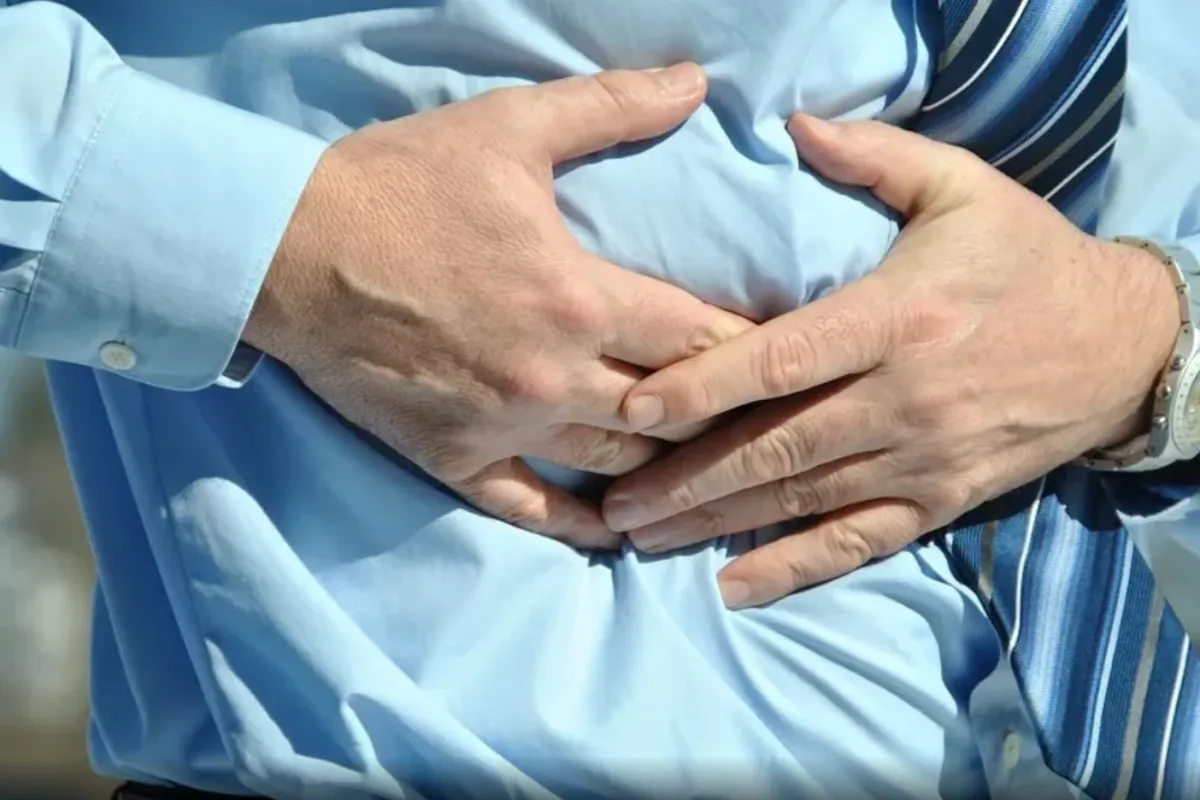
Aerophagia: when bloating and belching come from swallowed air, not from food
23 September 2026
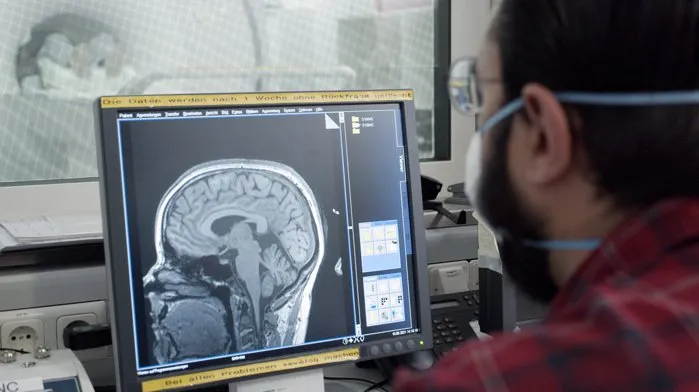
Nearly 300,000 Romanians have dementia, and the number could reach 400,000 by 2050
22 September 2026