
Lymphoma: what symptoms should alarm you and how the diagnosis is established
Persistent swollen lymph nodes, fever, night sweats and weight loss may indicate lymphoma. Diagnosis is confirmed through biopsy.
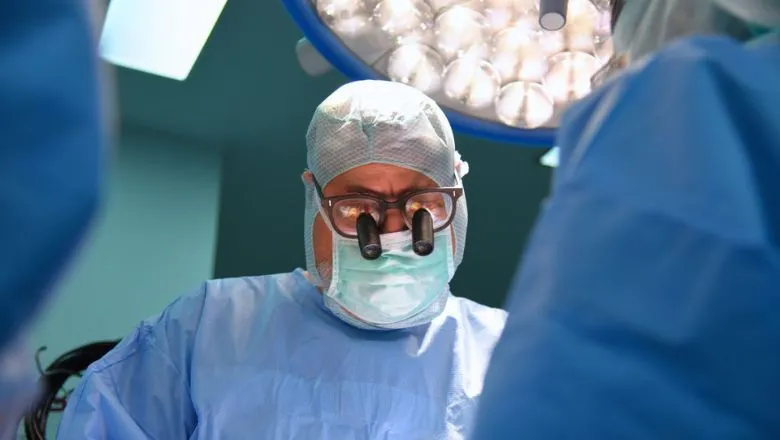
 Foto ilustrativă
Enlarged lymph nodes are common, including after routine infections, and in most cases are not associated with a serious illness. However, there are situations where medical evaluation is necessary: when they persist over time, grow progressively, or are accompanied by other symptoms.
Lymphoma is a type of cancer that originates in the cells of the lymphatic system. It is divided into two main categories: Hodgkin lymphoma and non-Hodgkin lymphoma. Possible signs include enlarged lymph nodes that are not painful, fever without a clear cause, heavy night sweats, weight loss, persistent fatigue, and skin itching. The disease may progress slowly or, on the contrary, aggressively, and correctly identifying the type is essential for choosing the appropriate treatment.
Diagnosis is confirmed through a biopsy, supplemented by blood tests and ultrasound examination. The treatment approach depends on the type of lymphoma, the stage of the disease, and its biological characteristics, and options may include chemotherapy, immunotherapy, targeted therapies, radiotherapy, or, in the case of slow-progressing forms, simply periodic medical monitoring.
The key takeaway is that not every enlarged lymph node is a sign of cancer; however, lymph nodes that remain enlarged for an extended period or that appear alongside general symptoms should be investigated by a doctor.
Article supported by SANADOR, further details at www.sanador.ro.
Content paraphrased and adapted by SeniorHelp from verified public sources.
Original source: Realitatea →Previous article
Food price hikes hit pensioners hard: many buy just a single carrot and an onion
Next article
College of Physicians: healthcare recruitment cannot remain frozen, the system needs staff
Similar news

Rogobete: 175,000 doses of flu vaccine to be distributed, on-call pay to increase progressively
21 October 2026
 Foto ilustrativă
What Foods Help Memory and Concentration, According to Doctors
21 October 2026

Christina Applegate says her multiple sclerosis diagnosis was wrong
20 October 2026

Artificial intelligence can estimate cancer survival chances from a selfie
20 October 2026
 Foto ilustrativă
Flu vaccines delayed: over 350,000 doses to reach pharmacies by the end of the week
19 October 2026
At 86, Two Serious Cardiovascular Conditions Discovered by Chance
19 October 2026