
What Foods Help Control Blood Sugar and Cholesterol, as Explained by an Endocrinologist
Dr. Andra Neacșu, an endocrinologist, explains which foods and in what quantities can help maintain blood sugar and cholesterol levels within normal ranges.
 Foto ilustrativă
Daily food choices can influence blood sugar control and help maintain healthy cholesterol levels, provided that portion sizes are tailored to each individual. Dr Andra Neacșu, a specialist endocrinologist with expertise in nutrition, explained to Digi24.ro which foods can offer these benefits and how they should be incorporated into a balanced diet. The specialist warns that diets which completely eliminate carbohydrates or fats are difficult to sustain in the long term, and that nutritional recommendations should be balanced and easy to follow.
Legumes – fibre and plant protein
Lentils, chickpeas, beans, and peas contain complex carbohydrates, fibre, and plant protein, which slows digestion and the absorption of carbohydrates, potentially favouring a more gradual rise in blood sugar after meals. The soluble fibre in legumes can limit the reabsorption of bile acids, prompting the body to use existing cholesterol to produce new bile acids – a mechanism that, over time, may help lower LDL ("bad") cholesterol. These foods also contain magnesium, potassium, folate, and polyphenols – compounds with antioxidant properties – and can be combined with wholegrains, nuts, and seeds.
Oats and barley – beneficial wholegrains
The benefits of oats and barley come primarily from beta-glucan, a soluble fibre that forms a viscous gel in the digestive tract, slowing carbohydrate digestion and moderating the postprandial rise in blood sugar. Beta-glucan also influences the reabsorption of bile acids, contributing to a reduction in LDL cholesterol. The specialist recommends wholegrain varieties, which retain their fibre content, and, in the case of oats, plain products with no added sugar, salt, or flavourings.
Vegetables – high volume, low calories
Vegetables should be included at every main meal, with a useful guideline being approximately 300 grams per meal. Non-starchy varieties with a low carbohydrate content are particularly recommended – broccoli, cauliflower, cabbage, courgette, aubergine, spinach, lettuce, peppers, and tomatoes. These provide satiety with a low caloric intake and are rich in fibre, vitamins, minerals, and antioxidants, which slow carbohydrate absorption. The specialist recommends rotating varieties rather than eating the same vegetables repeatedly.
Potatoes, rice, and pasta – not to be eliminated
Starchy foods such as potatoes, rice, and pasta should not be excluded from the diet, but consumed in portions tailored to each individual. For rice and pasta, wholegrain varieties can be chosen where possible. Sweet potatoes do not necessarily have a lower impact on blood sugar than regular potatoes – the body's response depends on the variety, quantity, cooking method, and accompanying foods. The way food is prepared matters greatly: frying significantly increases caloric value, a prime example being courgette, which has a low energy content when raw but becomes far more calorific when fried.
Fruit – natural sugars, but also fibre and micronutrients
Fruit consumption frequently raises questions among people with prediabetes, diabetes, or a high risk of developing diabetes, but total exclusion is not generally necessary. Fruit contains carbohydrates that can affect blood sugar levels, but also provides fibre, vitamins, minerals, antioxidants, and water. Whole fruit with a well-washed edible skin is preferable to juice, as fibre slows the absorption of sugars, whilst juices and sweetened drinks contain little or no fibre and deliver large amounts of sugar rapidly. A practical recommendation is one piece of fruit per day, ideally consumed after a meal or alongside a source of protein or healthy fat (such as plain yoghurt or nuts), for a lower glycaemic impact. Apples, pears, berries, and citrus fruits have a relatively low glycaemic index.
Nuts and seeds – heart-healthy fats
Nuts and seeds generally have a low impact on blood sugar and provide fibre, plant protein, magnesium, vitamin E, and polyphenols. They contain monounsaturated and polyunsaturated fats which, when they replace saturated fats in the diet, can support a favourable lipid profile. Regular consumption, as part of a balanced diet, has been associated with a modest reduction in LDL cholesterol. However, these are calorie-dense foods – a 100-gram portion can deliver a considerable amount of energy – so moderate portion sizes are essential.
Olive oil and oily fish – important sources of unsaturated fats
Extra virgin olive oil, rich in oleic acid (a monounsaturated fat), can replace sources of saturated fat such as butter or lard – the benefit arises from the substitution itself, not merely from adding it to the diet. Oily fish – salmon, sardines, and mackerel – provide Omega-3 fatty acids (EPA and DHA), which are primarily associated with reducing blood triglyceride levels rather than necessarily lowering LDL cholesterol. Triglyceride levels can rise when diabetes is not adequately controlled, due to the metabolic changes caused by elevated blood sugar, but also as a result of excessive alcohol consumption, notes Dr Andra Neacșu.
Content paraphrased and adapted by SeniorHelp from verified public sources.
Original source: Digi24 →Previous article
Government allocates another 1 billion RON to subsidise energy and gas bills
Next article
Grindeanu Demands Explanation from Fitch Following Warning Over Romania's Downgrade Risk
Similar news

Vertebral Displacement and Its Effects on Mobility
5 November 2026

Four psychiatry organisations warn of medicine shortages in pharmacies
4 November 2026
 Foto ilustrativă
Mitral Stenosis: When the Narrowing of a Heart Valve Causes Fatigue and Shortness of Breath
4 November 2026

Dilated veins in the legs: what is their connection to pain and swelling of the calves
3 November 2026

Does Death Hurt? What Research Shows About the Final Moments of Life
3 November 2026
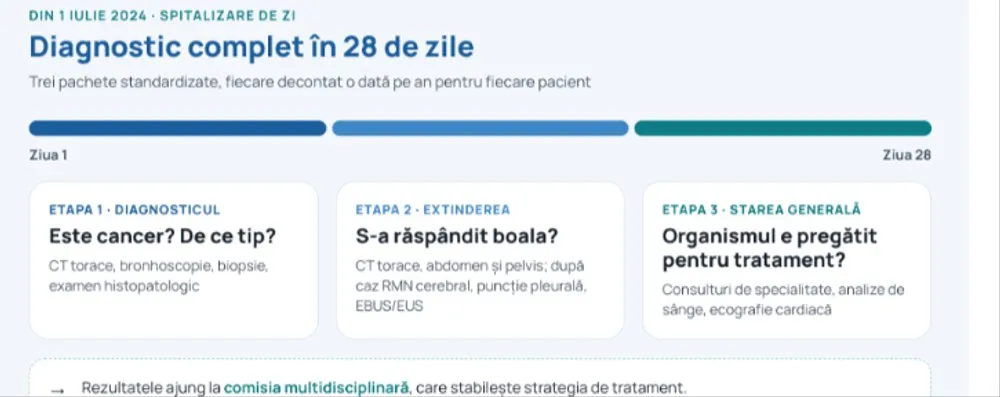
Lung cancer: the care pathway reimbursed by CNAS, from diagnosis to treatment
2 November 2026