
Electronic health identity cards: what document to bring to the doctor or pharmacy
From 1 September, the use of the Electronic Identity Card in the medical system is no longer mandatory. The National Health Insurance House has granted an additional deadline, and the old health card remains valid.
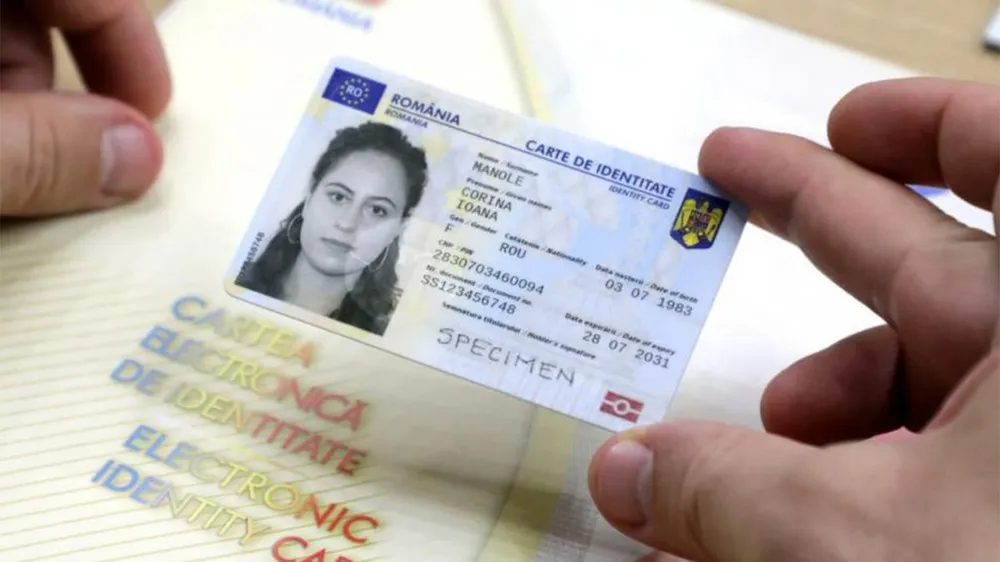
The National Health Insurance House has dropped, from 1 September, the mandatory use of the Electronic Identity Card for validating medical services, as had originally been planned. Hospitals, pharmacies, and other healthcare providers have been given additional time to update their applications and card readers.
The situation has, however, caused confusion among patients who have already exchanged their old identity card for the new electronic version: they are now forced to carry both the new identity card and the old health card to avoid an unnecessary trip home when visiting the doctor.
Vasile Barbu, president of the National Association for Patient Protection, explained to Adevărul the causes of the chaos and what patients need to know.
Why not all surgeries are ready
According to Barbu, many GPs have purchased non-compliant card readers, either to save money or due to a misunderstanding of the requirements. "I have spoken with doctors and pharmacists from across the country, from Baia Mare to Întorsura Buzăului, and the situation regarding readers for the new electronic identity cards varies from one surgery to another. Some already have compatible readers that have been verified and in use for some time. Others have purchased cheaper readers from Chinese companies that are not compatible with the new system and are not sufficiently secure, and many have not been able to use them even with the old health cards," he said.
The main problem, Barbu says, is that healthcare providers have not had enough time to update their software to work with both the electronic identity card and the old card. Some mistakenly believed they had to switch entirely to the new system and, for a period, were unable to operate at all. There were also compatibility issues with the population registry system, not with the Health Insurance system. This is why it was decided that the two systems — old and new — should run in parallel, so as not to affect patients.
What to do if you have no documents at all
The health card, introduced ten years ago, has not yet been issued to most young people under 25, and coverage in rural areas has been consistently problematic. In 2021, over 14 million Romanians were left unable to receive a new card due to IT system failures after their first card had expired. The solution applied at the time was an automatic seven-year extension of expired cards' validity.
"For those who do not hold any card or have only certificates, it is more advisable to obtain an electronic identity card, as this is simpler and faster to get than a health card. Furthermore, the stock of cards at the Health Insurance Houses is extremely low, so people would be better off replacing their old identity card with an electronic one," Barbu stated.
What to do if you do not want to switch to the new identity card
The electronic identity card has been accompanied by conspiracy theories — ranging from the supposed inclusion of "666" in the document, to false claims that it enables the geographical tracking of the holder or stores banking data. According to the Ministry of Internal Affairs, the chip is similar to that in an electronic passport and is used exclusively for identity verification, storing only the holder's surname, forename, personal identification number, citizenship, address, photograph, and two fingerprints.
Those who refuse the new card may continue to use the old health card for the duration of the transition period. "Those who do not wish to change their identity card can continue to use the old system for as long as the transition period lasts. In addition, people who have lost or damaged their card are advised to opt directly for the electronic identity card rather than requesting a new health card," Barbu explained.
Errors in reading patient data via the health card are nothing new — they date back to 2014–2015, when card use became mandatory for the reimbursement of medical services. The problems worsen during busy periods (the beginning of the month or peak hours), representing, according to Barbu, a chronic vulnerability in the IT infrastructure, caused by underfunding of maintenance and the absence of a coherent modernisation strategy.
"If you happen to have a health card but have not updated your identity card, and the IT system goes down, bear in mind that no patient, during this trial period, will be turned away by any medical surgery. If a patient is turned away, they should call the County Health Insurance House and report the issue," Barbu stated.
Doctors have paid for the new readers out of their own pockets
GPs have been required to purchase card readers from their own funds, as CNAS has been unable to reimburse these costs, citing current legislation and the short timeframe allowed for adaptation. "In the coming period, the implementation of a financing scheme for such expenses is being considered, and additional available funds have already been identified within the National Unique Health Insurance Fund. The problem is that these funds can only be used following a budget rectification, which cannot be carried out without a fully empowered government," Barbu explained, adding that the question arises as to whether a doctor earning between 30,000 and 50,000 RON per month cannot afford to invest 200–300 RON in a reader necessary for their own practice.
Printing errors on some identity cards
Some patients have discovered, at their doctor's surgery, that their new electronic identity card had been printed incorrectly — for example, the name did not match that in other official documents, or a forename was missing. According to Barbu, the fault lies not with CNAS but with longstanding errors accumulated within the Population Registry system. The new health IT system issues alerts when discrepancies arise between the data on the identity card and those in the insured persons' database, in order to protect both doctors and patients. The doctor is notified on screen but may continue with prescribing if they accept responsibility and provide justification for their decision.
What CNAS says
CNAS has stated that the current national health insurance card can continue to be used under existing rules throughout the entire technological adaptation process. Patients attending GP surgeries, hospitals, or pharmacies will not encounter any difficulties, and the use of the Electronic Identity Card is not mandatory from the beginning of September. The institution has already published the technical documentation required by software developers in preparation for the transition.
Content paraphrased and adapted by SeniorHelp from verified public sources.
Original source: Adevărul →Previous article
Pensions and Salaries by County: Where the Highest and Lowest Incomes Are Paid
Next article
Pensions and salaries could remain frozen in 2027 as well, due to public debt
Similar news

Pensions will be indexed from 2027, subject to the budget deficit, announces Luca Niculescu
20 October 2026

Florin Manole, the proposed Labour Minister: Pension indexation is necessary, but depends on the deficit target
20 October 2026

Rogobete: anti-HPV vaccination available in pharmacies until the end of the year
20 October 2026

APAPR Launches "Domnul Pensionescu", an AI Assistant for Questions About Private Pensions
20 October 2026

Pension indexation in 2027: three options under discussion – 5%, 7.3% or 10%
18 October 2026

Rogobete proposes eliminating health insurance contributions for mothers on maternity leave and war veterans
17 October 2026