
The "Lone Star" Tick: the bite that can trigger a red meat allergy
The "Lone Star" tick can cause Alpha-gal syndrome, an unusual allergy to mammalian meat, as well as serious infectious diseases, specialists warn.
 Foto ilustrativă
An apparently minor tick bite can have unexpected health consequences. Specialists are highlighting the danger posed by the "Lone Star" tick, a species capable of triggering Alpha-gal syndrome, a condition that causes an allergy to mammalian meat. Beyond this effect, the insect can also transmit pathogens responsible for serious infectious diseases.
What is the "Lone Star" tick and why is it considered dangerous
The species gets its name from the distinctive white, rounded spot visible on the back of adult females, a marking that sets it apart from other types of ticks. It is found mainly in wooded and densely vegetated areas of the eastern and central United States. Researchers' interest in it grew after several people bitten by this tick developed an unusual allergy to red meat.
Unlike other insects, this tick remains firmly attached to the skin, sometimes for several days at a time, during which it transmits both various pathogens and a sugar molecule called Alpha-gal through its saliva — the molecule responsible for triggering allergic reactions.
How the allergy caused by the bite manifests
One distinctive feature of Alpha-gal syndrome is that symptoms do not appear immediately, but rather several hours after eating meat — typically between three and six hours after consuming beef, pork, or lamb.
- Skin rashes, hives, and intense itching
- Swelling of the lips, tongue, or throat
- Nausea, vomiting, abdominal pain, and diarrhoea
- Difficulty breathing, in severe cases
In the case of other conditions transmitted through this tick's bite, symptoms may not appear until several days later, or even up to two weeks afterwards.
What to do in the event of a tick bite
Specialists recommend removing the insect quickly and correctly. The area should be disinfected, and the tick grasped with tweezers as close to the skin as possible and extracted with a slow, straight pulling motion, without twisting or crushing it. After removal, the site should be disinfected again and monitored over the following days, checking that the insect has been fully removed and watching for any changes to the skin or general wellbeing.
When medical consultation is necessary
Not every tick bite leads to illness, but the appearance of certain symptoms requires urgent medical attention:
- High fever
- Difficulty breathing
- Swelling of the face, tongue, or throat
- Severe dizziness or confusion
- Intense abdominal pain
- Coughing up blood or other severe symptoms
How tick bites can be prevented
To reduce the risk, specialists recommend wearing long-sleeved clothing and long trousers in wooded areas or areas with tall grass, using insect repellent products, and carefully checking both the body and clothing after every trip outdoors. Prompt detection and correct removal of a tick can significantly reduce the risk of complications and tick-borne diseases.
Content paraphrased and adapted by SeniorHelp from verified public sources.
Original source: Realitatea →Previous article
The state spent over 325 billion RON on social protection in 2024, a record high in the last 10 years
Next article
INS: Average Net Salary Fell in May to 5,684 RON
Similar news

Microplastics in tap water can be reduced through boiling and filtering, a study shows
16 October 2026

Over 350,000 doses of flu vaccine to arrive in pharmacies next week
16 October 2026

First influenza-related death of this season confirmed by INSP: unvaccinated man from Cluj
16 October 2026

Partial Nephrectomy: The Operation That Treats Kidney Tumours and Preserves the Kidney
16 October 2026

Time spent in nature could improve one's relationship with food, a British study suggests
16 October 2026
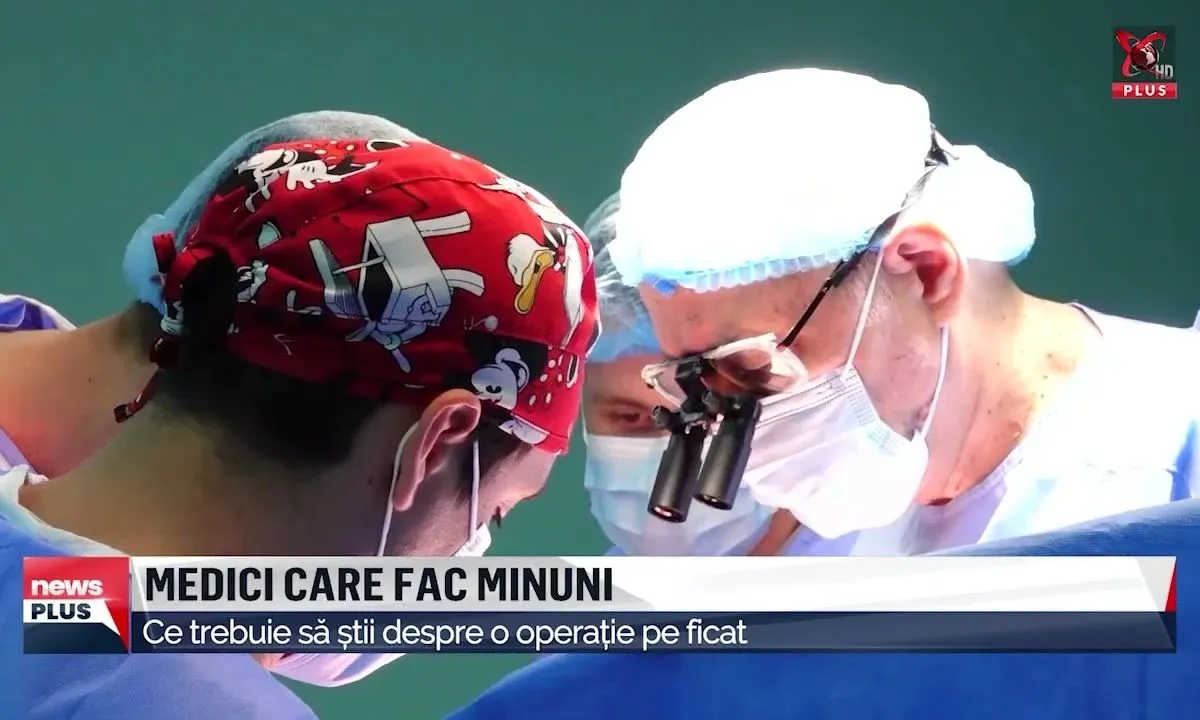
What a liver operation involves: preparation and recovery
15 October 2026