
Guides & articles
Advice for carers
112 articles about advice for carers
Practical Guide to Parkinson's Disease: What Families Need to Know
Understand the symptoms, progression and care needs in Parkinson's disease. Practical tips for families who want to offer the best support to their loved ones.
Hyperthermia and Heat Stroke in the Elderly: Signs, First Aid and Prevention
Find out how to recognise the early signs of heat exhaustion in elderly people, what to do before calling 112, and how to protect your home and daily routine during a heatwave.
How to Manage Aggression in Elderly People at Home: Causes and Solutions
Discover why episodes of verbal or physical aggression occur in older adults and how you can prevent and manage these difficult situations with empathy and safety for the whole family.
How to Recognise and Manage Neurogenic Bladder in the Elderly
Complete guide for families: warning signs, differences from ordinary incontinence, possible complications, and practical steps for the daily care of a senior with neurogenic bladder dysfunction.

Swallowing Difficulties After Stroke: Managing Nutrition at Home
Post-stroke dysphagia affects many families. Learn to recognise the signs, adapt food textures, and prevent serious complications through simple, safe feeding techniques at home.

How to Manage a Hypoglycaemic Crisis in an Elderly Person: Signs and Solutions
Quickly recognise the signs of hypoglycaemia in elderly people and discover the concrete steps you can take to prevent serious complications. A practical guide for families and carers.

How to Manage Breathing Difficulties in an Elderly Person at Home: When to Call 112
Practical guide for families: recognise the signs of a genuine respiratory emergency, the concrete steps to take before the ambulance arrives, and the essential information to have ready for the medical team.

How to Manage the Financial Stress of Caring for an Elderly Relative
Practical strategies for families: accurately calculate costs, access available financial support, and fairly distribute responsibility without compromising the quality of care.

How to Tell Your Parent a Serious Diagnosis: A Complete Guide
Find out how to compassionately communicate a serious diagnosis to your elderly parent, who should deliver the news, and how to provide emotional support during difficult times.
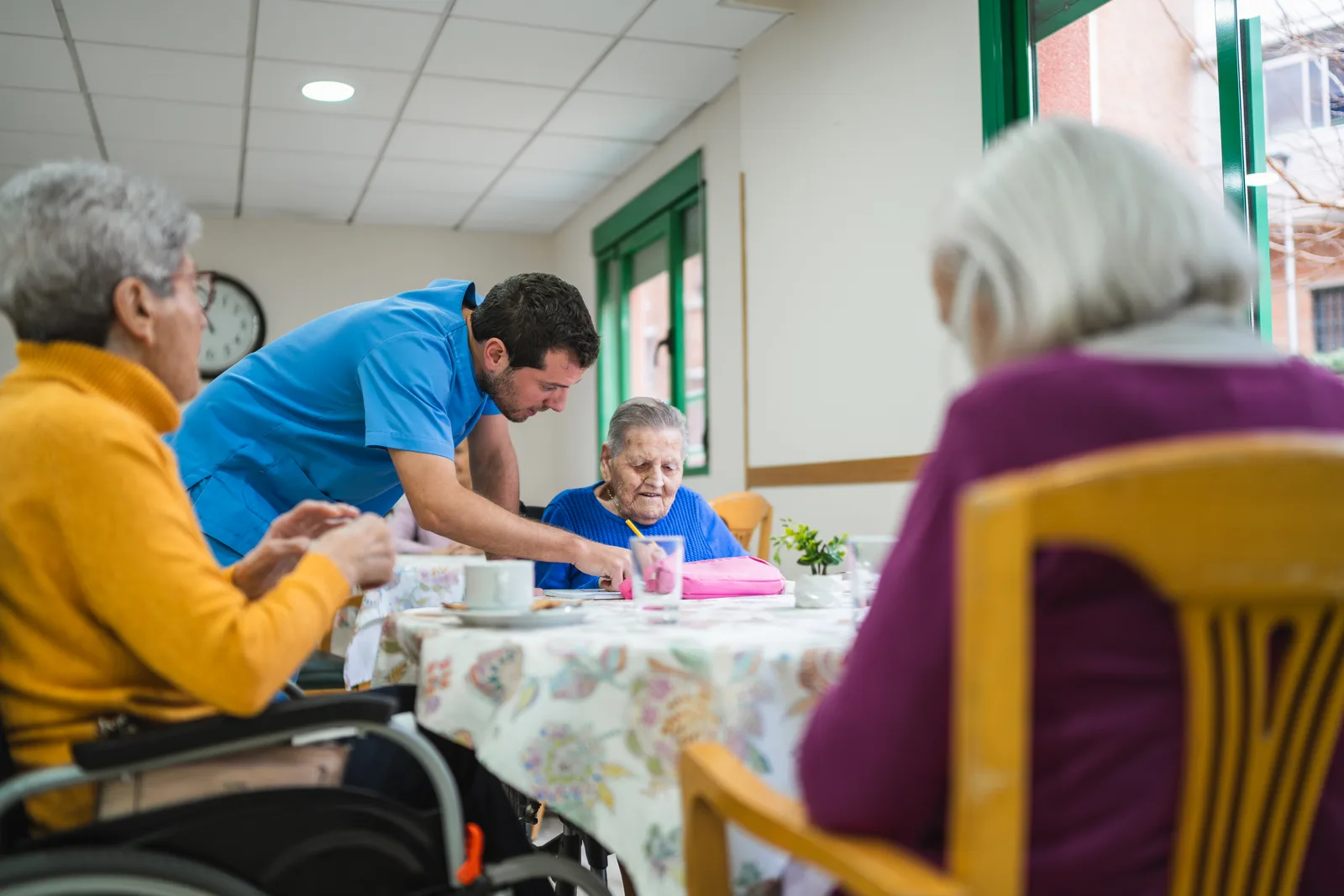
Trial Period at a Care Home: What to Look Out for in the First 30 Days
Find out what signs indicate a successful adjustment, what questions to ask the staff, and when you need to step in if things aren't going well during the first few weeks in a care home.

Nocturnal Agitation in Elderly People with Dementia: A Practical Guide
Sundowning can be exhausting for the whole family. Learn how to recognise the signs, which strategies work at home, and when to seek medical advice to manage evening episodes with care.
Essential Guide for Families: Vision Problems in the Elderly
Discover how to recognise the signs of vision problems in seniors, which conditions are common, and when to seek specialist advice. Practical tips for caring families.
Family Support for Anxiety in Seniors: What You Can Actually Do
Discover how you can support an elderly person living with anxiety. Practical strategies, warning signs and specialist solutions for the wellbeing of your beloved senior.

How to Cope with Grief After a Parent's Death in a Care Home
Emotional and practical guide for families going through the loss of a parent in a care home: concrete steps, managing emotions, and available support resources.
How to Manage a Planned Hospital Admission for an Elderly Person: A Complete Guide
Find out which documents you'll need, how to prepare for admission day, and how to help your parent through those first difficult hours in hospital. Practical advice for families.
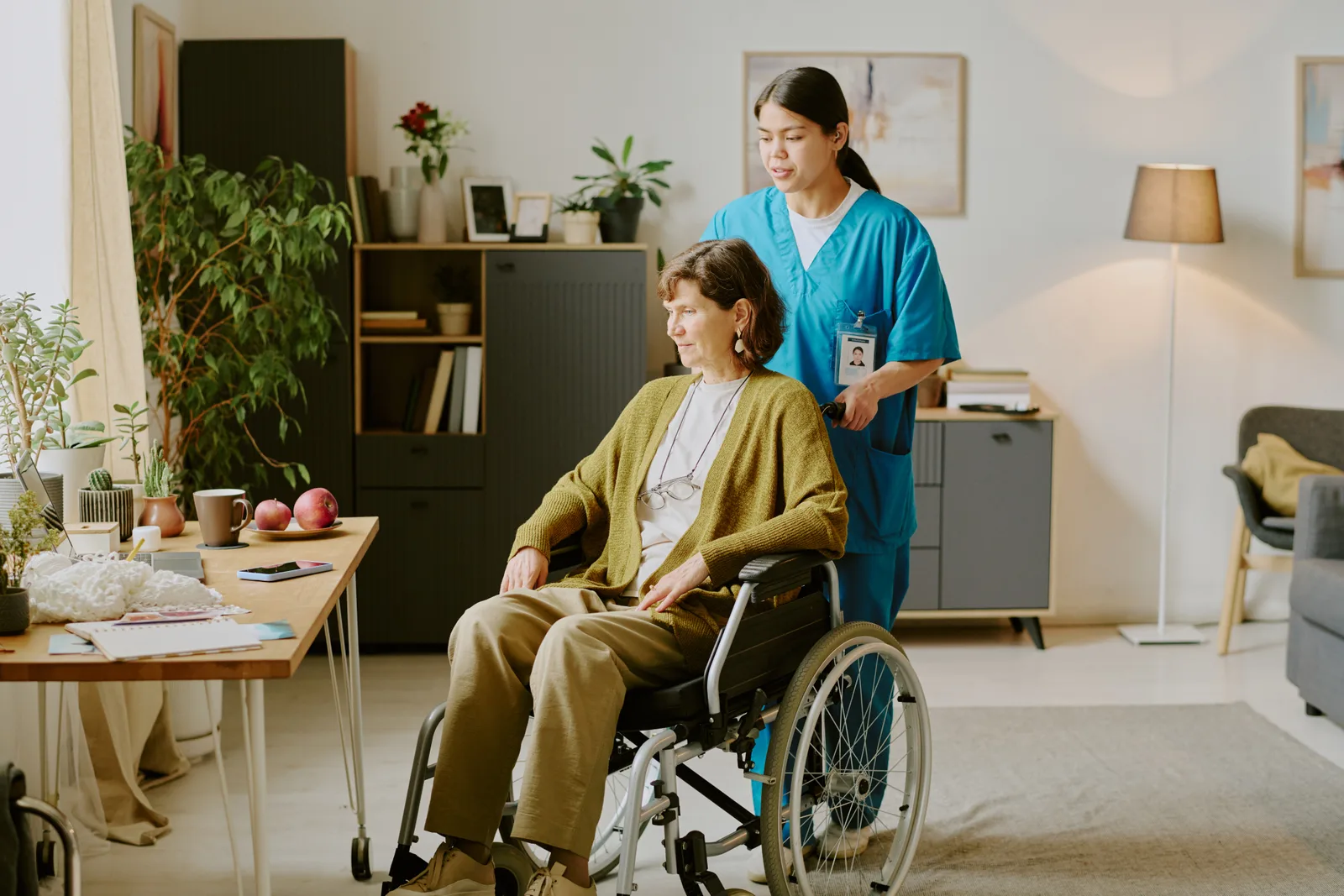
How to Handle an Emergency Room Visit with an Elderly Person: Documents, Communication and Safety
Complete guide for families: which documents and medical records to have ready, how to communicate with the emergency doctor, and how to avoid the risks of the waiting room for your loved ones in their senior years.
How to Prepare for Coming Home After a Hospital Stay: A Complete Guide
From adapting the living space and sourcing medical equipment to monitoring and warning signs – everything you need to know to ensure your loved one's safe recovery at home.
Communication with the Care Home After Admission: Essential Questions and Your Rights
Find out how to communicate effectively with the care home team, what information you are entitled to receive about your loved one, and which warning signs you should never ignore.
How to Manage Behavioural Disorders in Elderly People with Depression
Complete guide for families: how to recognise and manage difficult behaviours in elderly people with depression, what mistakes to avoid, and when to seek specialist help.
How to Get Help from DGASPC for a Dependent Elderly Person
Concrete steps, required documents and what services you can request from DGASPC for the care of a dependent senior. A complete guide for families in need of support.

What You Need to Know About Memory and Attention Training in Old Age
Memory and attention can be trained at any age. Discover effective methods, practical exercises, and how you can support your elderly loved ones in maintaining their cognitive functions.
5 Practical Tips for Sleep Disorders in Seniors
Find out how to recognise and manage sleep disorders in your parents or grandparents. Practical advice for families looking to improve the quality of life of their elderly loved ones.
When an Elderly Person Refuses Treatment: A Complete Guide for Families
What do you do when a parent says "I don't want treatment anymore"? Understand the causes of refusal, how to communicate with empathy, and when specialist medical help is needed.
When and How to Tell Your Parent They Have Dementia: A Guide to Honest Conversations
Communicating a dementia diagnosis can be one of the most difficult conversations you'll ever have. Learn how to approach this discussion with empathy, respect, and at the right time for your parent.