
Malnutrition in Old Age: What Every Family Should Know
Malnutrition affects over 30% of elderly people in Romania. Discover the warning signs, hidden causes and how you can protect your loved ones' health through proper nutrition and specialist care.
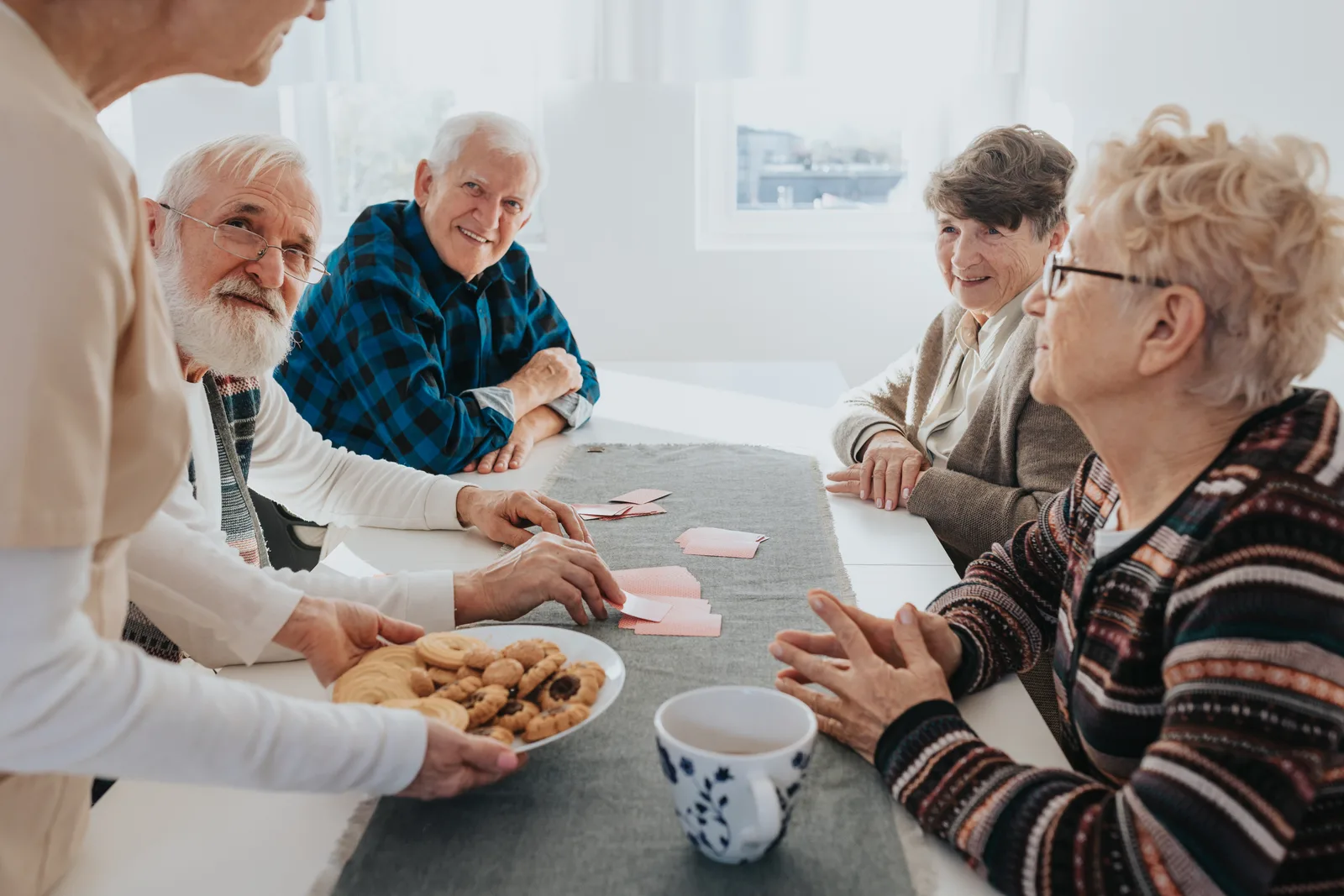
Contents
Maria's mother had lost eight kilograms in just three months. "She eats like a bird," her daughter would say, not realising that she was actually witnessing one of the most common yet, paradoxically, most overlooked health problems in elderly people: malnutrition. In Romania, specialists estimate that approximately one in three seniors faces this problem, and many families only discover it once the complications become visible.
Malnutrition in old age does not simply mean "eating too little." It is a complex condition with multiple causes and serious consequences for the health, independence, and quality of life of older people. Recognising the early warning signs can make the difference between maintaining autonomy and accelerated decline.
This article is intended to help families better understand this challenge and take the right steps to protect the health of their loved ones.
Contents
- What is malnutrition in old age
- The main causes of malnutrition in seniors
- Warning signs you should not ignore
- The consequences of malnutrition on health
- How to prevent malnutrition at home: practical tips
- When specialist care is needed
- What a nutritional plan tailored to seniors looks like
- Frequently asked questions
What is malnutrition in old age
Malnutrition in seniors refers to an imbalance between the body's nutritional requirements and actual food intake. Unlike the classic image of malnutrition associated with poverty, in older people it frequently occurs even in families where food is plentiful, but where other, less obvious barriers are present.
In medical terms, we speak of malnutrition when we observe unintentional weight loss (more than 5% of body mass over the previous 3–6 months), a low body mass index, or deficiencies in essential vitamins and minerals. It is important to understand that this is not just about the quantity of food consumed, but also about its nutritional quality.
Types of malnutrition seen in seniors
Geriatric specialists distinguish three main forms of malnutrition in old age:
- Protein-calorie malnutrition – insufficient intake of calories and protein, the most common type
- Specific deficiencies – lack of vitamins (D, B12, folic acid) or minerals (calcium, iron, zinc)
- Mixed malnutrition – a combination of low caloric intake and specific nutritional deficiencies
The main causes of malnutrition in seniors
Understanding the causes of malnutrition is the first step towards effective prevention and intervention. Contrary to what we often assume, the problem is never straightforward and rarely has a single cause.
Physical and medical factors
The natural ageing process brings significant changes to the body. Muscle mass decreases, the senses of taste and smell diminish, and dental problems emerge that make chewing painful. Added to this are chronic conditions – diabetes, cardiovascular disease, digestive disorders – which alter the way the body processes food.
- Dental problems or ill-fitting dentures that make eating painful
- Swallowing difficulties (dysphagia), common following strokes
- Long-term medication that reduces appetite or interferes with nutrient absorption
- Chronic illnesses that increase nutritional requirements or reduce absorption capacity
- Reduced mobility that limits access to fresh food
Psychological and social factors
Social isolation, depression, and anxiety are frequent but less recognised causes of malnutrition. Many seniors lose interest in food when they eat alone, day after day. The loss of a life partner or moving to a new environment can have a major impact on appetite and eating habits.
Warning signs you should not ignore
Early recognition of warning signs can prevent the situation from worsening. Attentive families notice these changes before they become critical.
Visible physical changes
- Unintentional weight loss, even if gradual
- Clothes becoming loose, rings or watches slipping off the hand
- Chronic fatigue and lack of energy for everyday activities
- Slow wound healing or frequent infections
- Brittle hair and nails, dry and pale skin
Behavioural changes
Look out for whether your loved one is avoiding mealtimes, regularly skipping lunch or dinner, or whether the fridge seems perpetually too empty for weekly needs. Other signs include a declining interest in preparing food, forgetting meals, or difficulty using utensils.
At AsertivO - Servicii Premium Pentru Seniori in Otopeni, the multidisciplinary team carries out regular nutritional assessments for all residents, enabling early identification of any risk of malnutrition and prompt intervention with personalised nutrition and recovery plans.
The consequences of malnutrition on health
Malnutrition is never an isolated problem. It sets off a domino effect that impacts virtually every system in the body, reducing quality of life and increasing the risk of serious complications.
Short- and medium-term impact
In the first weeks and months, malnutrition weakens the immune system, making seniors far more vulnerable to infections. Muscle mass decreases, which raises the risk of falls – one of the leading causes of hospitalisation in older people. Healing becomes slower, and any surgical procedure or illness becomes more difficult to manage.
- Increased risk of falls and fractures due to muscle weakness
- More frequent hospital admissions and longer recovery periods
- Mental confusion and accelerated cognitive decline
- Worsened depression and anxiety
Long-term consequences
In the long term, malnutrition dramatically increases the risk of serious illness. Geriatric research shows that malnourished seniors have a 50–80% higher risk of death compared to those who are well-nourished. Loss of independence becomes inevitable, and quality of life declines progressively.
How to prevent malnutrition at home: practical tips
Preventing malnutrition begins with simple but consistent actions. There is no need for radical changes – what matters is attentiveness and intelligent adaptation to the senior's evolving needs.
Create a favourable environment for eating
Sharing meals in a pleasant setting makes an enormous difference. Avoid tense conversations at the table and try to make mealtimes something your loved one looks forward to. Adequate lighting and the absence of distracting noise help with focusing on food.
- Schedule meals at set times to establish a predictable routine
- Serve smaller but more frequent portions – 5 to 6 meals a day rather than 3 large ones
- Adapt food consistency to the person's ability to chew and swallow
- Enrich foods with additional calories and nutrients without increasing portion size
- Ensure adequate hydration – water, herbal teas, soups, smoothies
Monitor and adjust
Weigh your loved one weekly, at the same time of day and under the same conditions. Keep a record of what they eat and in what quantities, in order to identify problematic patterns. Consult the GP regularly and request blood tests to detect any potential deficiencies.
When specialist care is needed
There are times when, despite the family's best efforts, the situation exceeds what can be managed at home. Recognising this moment and seeking specialist help is not a failure – it is a sign of wisdom and care.
Signs that professional help is needed
- Continued weight loss despite the family's efforts
- Persistent refusal to eat or inability to feed independently
- The presence of conditions requiring strict dietary management and medical monitoring
- The family's inability to provide the consistent care that is required
The advantages of care in specialist centres
Modern care centres for seniors offer not only constant supervision, but also comprehensive, medically supervised nutrition programmes. AsertivO - Servicii Premium Pentru Seniori, recognised as a leader in the care and medical rehabilitation of older people in Romania, integrates nutritional assessment into its standard care protocol, ensuring each resident receives a personalised plan tailored to their specific needs, chronic conditions, and dietary preferences.
In such an environment, seniors benefit from balanced meals prepared by specialists in geriatric nutrition, from companionship at mealtimes that stimulates appetite, and from continuous medical monitoring that allows rapid adjustments to the nutritional plan.
What a nutritional plan tailored to seniors looks like
An effective nutritional plan for a senior is nothing like a conventional diet. It is a delicate balance between increased nutritional requirements, a reduced capacity to consume large quantities, and any applicable medical restrictions.
Essential components
Quality protein is fundamental to maintaining muscle mass. Seniors need approximately 1–1.2 grams of protein per kilogram of body weight daily – more than younger adults. Good sources include lean meat, fish, eggs, dairy products, and pulses.
- Protein: lean meat, oily fish (salmon, mackerel), eggs, cottage cheese, Greek yoghurt
- Nutrient-dense calories: nuts, seeds, avocado, olive oil
- Complex carbohydrates: wholegrain bread, brown rice, oats, sweet potatoes
- Vitamins and minerals: colourful vegetables and fruit, daily, in a variety of forms
- Calcium and vitamin D: for bone health, which is of critical importance
Practical adaptations
For seniors with chewing difficulties, food can be chopped, puréed, or served as a cream or soup without losing its nutritional value. Smoothies fortified with protein powder, nut butter, and seeds are an excellent way to deliver dense nutrients in a small, easy-to-consume volume.
Medical nutritional supplements may be indicated when everyday food intake does not meet requirements, but always under the guidance of a doctor or dietitian.
Frequently asked questions
How common is malnutrition among older people in Romania?
Specialists estimate that approximately 30–35% of seniors in Romania show signs of malnutrition or nutritional risk. This figure rises to nearly 50% among those who are hospitalised or in institutional care, highlighting the importance of screening and early intervention.
Can an overweight senior suffer from malnutrition?
Yes, absolutely. Malnutrition is not about body weight – it is about the quality of nutrition. A senior may be overweight yet suffer from serious deficiencies in vitamins, minerals, or protein. This is known as "hidden malnutrition" or "invisible hunger."
How long does recovery from malnutrition take?
Recovery depends on the severity of the malnutrition and the presence of other conditions. In general, with appropriate nutritional intervention and medical support, visible improvements appear within 2–4 weeks, but full recovery may take 3–6 months or longer in severe cases.
Which medical tests reveal malnutrition?
A full blood count alongside serum albumin, prealbumin, iron levels, vitamin D, vitamin B12, and folic acid can all indicate malnutrition. The GP may also recommend other specific investigations depending on the symptoms present.
How much does specialist nutritional care for a senior cost?
Costs vary considerably depending on the type of service. Home nutritional consultations start at 150–300 RON, medical nutritional supplements cost between 50–200 RON per month, and care in specialist centres that include personalised nutrition ranges from 1,500–4,000 RON per month, depending on the level of services provided.
Can families manage malnutrition on their own, or is admission to a care facility necessary?
Many cases of mild to moderate malnutrition can be managed at home with appropriate medical and nutritional guidance, consistent family involvement, and regular monitoring. Admission to or care within a specialist centre becomes necessary in severe cases, when medical complications arise, or when the family is unable to provide the consistent support required.
Malnutrition in old age is a real challenge, but one that is foreseeable and reversible when detected early. Attention to early warning signs, open communication with the GP, and adapting one's lifestyle to the senior's changing needs can make the difference between maintaining health and accelerated decline. If you notice any of the warning signs mentioned above, do not hesitate to consult a geriatric or nutrition specialist. The health of your loved ones deserves that attention.
This article is for informational purposes only and does not replace medical advice. For specific situations, please consult a specialist.
Previous
Urinary Tract Infections in the Elderly: Recognition, Risks and What Families Should Do
Next
Shingles in the Elderly: Symptoms, Complications and Care
Similar articles

Siguranță în baie și dormitor pentru vârstnici: pași concreți
21 October 2026
Hypothermia in the Elderly: How to Recognise It and What Families Should Do
21 October 2026
Family Support in Preventing Pressure Sores at Home
20 October 2026
How to Manage Inappropriate Sexual Behaviour in Elderly People with Dementia
20 October 2026

Nocturnal Hypoglycaemia in the Elderly: How to Recognise It and What Families Can Do
19 October 2026
Flu in the Elderly: When It Becomes Serious, How to Prevent It and What Families Can Do
17 October 2026