
Deep Vein Thrombosis: What Minimally Invasive Clot Aspiration Treatment Involves
Deep vein thrombosis can be treated through thromboaspiration using the AngioJet system, a minimally invasive endovascular procedure. The method is recommended on an individual basis, depending on the case.
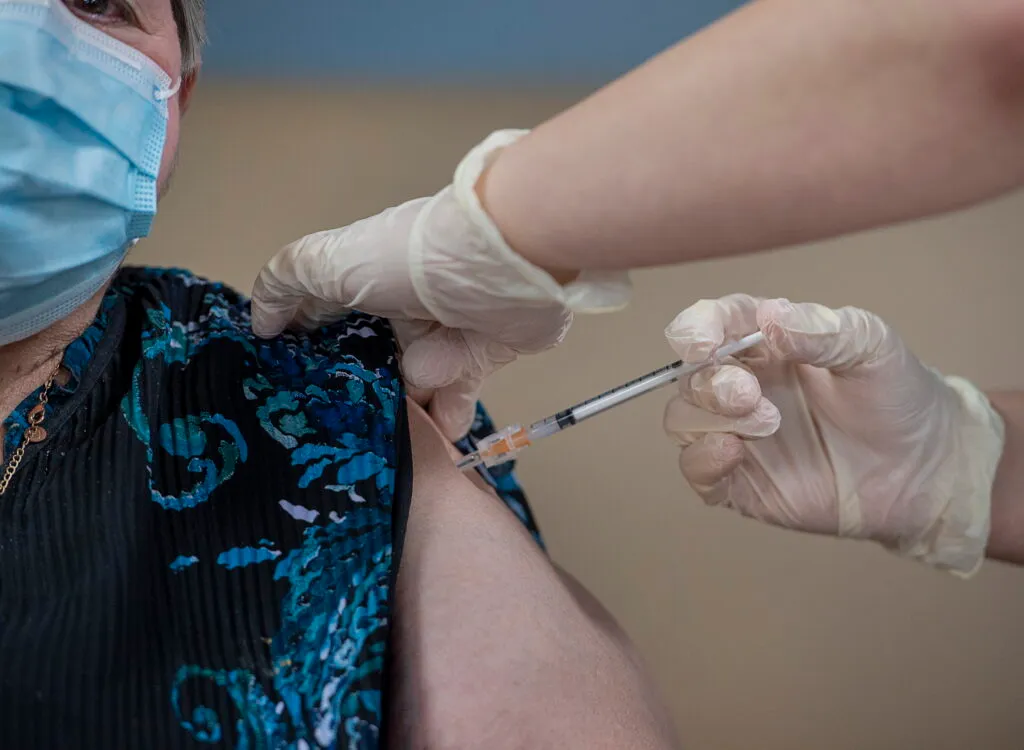
 Foto ilustrativă
Deep vein thrombosis involves the formation of a blood clot in a deep vein, most commonly in the lower limbs, which blocks normal blood flow in the affected area. The aims of treatment are to prevent the clot from extending, avoid complications, and reduce the patient's symptoms. When the situation warrants it, the doctor may opt for an endovascular procedure to remove the thrombus.
One of the minimally invasive options is thromboaspiration using the AngioJet system, a technique in which the thrombus is first fragmented and then extracted using a medical device specifically designed to restore blood flow through the blocked vein. This procedure can help achieve rapid symptom relief and, in cases carefully assessed by the doctor, reduce the consequences that venous obstruction might otherwise cause. The decision to recommend this method is made on an individual basis, taking into account the location and extent of the thrombosis, the severity of symptoms, and the patient's general state of health.
Further details about the endovascular treatment of deep vein thrombosis and the AngioJet thromboaspiration procedure are available from Dr Andrada Bogdan, consultant cardiologist at Spitalul Clinic SANADOR.
Article supported by SANADOR.
Content paraphrased and adapted by SeniorHelp from verified public sources.
Original source: Realitatea →Previous article
Court of Accounts audits confidentiality bonuses at pension houses
Next article
Rogobete criticises the Health reform: "Cutting isn't reform"
Similar news
Vaccines of the future: needle-free, personalised and developed with the help of artificial intelligence
2 November 2026

Respiratory infections on the rise in Sibiu: 441 pneumonia cases in one week
1 November 2026

How you drink your tea may affect your heart: what a study of nearly 500,000 people reveals
1 November 2026

Fatty liver detected on ultrasound: what the scan reveals and what it cannot determine
30 October 2026

Calf pain when walking may signal peripheral arterial disease
30 October 2026

Pulmonary Arterial Hypertension: a rare and severe disease with difficult access to treatment in Romania
30 October 2026