
SANITAS Has Launched a General Strike in Hospitals: What Changes for Patients
The SANITAS Federation launched an indefinite general strike on Tuesday, 28 July, across more than 400 hospitals. Emergency services remain operational, however some appointments may be rescheduled.
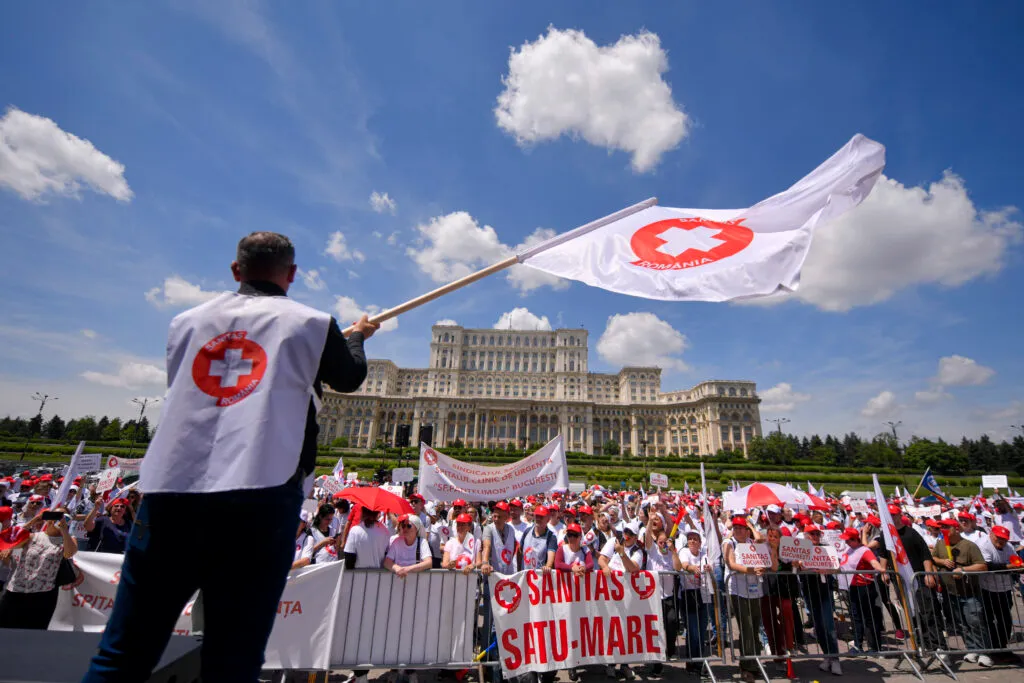
The SANITAS Federation launched an indefinite general strike on Tuesday, 28 July, across the public health and social care system. The announcement was made by Iulian Pope, the federation's president, in a Facebook post: "Dear colleagues, as of today, we are on strike. Together."
The union leader stated that the demands of healthcare workers are not privileges, but relate to working conditions, pay, and the functioning of the system: "What we are asking of politicians are not privileges. We are asking for responsibility towards the people who work in this system and towards patients. We are asking them to understand that Healthcare cannot be run against the very people who keep it on its feet."
What is happening with hospital services
Workers from more than 400 hospitals across the country are taking part in the strike. According to SANITAS, emergency services and mandatory medical care will be maintained, and healthcare facilities will keep at least one third of their usual activity running, so that patients' lives and health are not put at risk.
Several hospitals have announced that services will continue as normal in essential departments: accident and emergency units, intensive care, dialysis, oncology, and on-call wards. However, some non-urgent consultations and services may be rescheduled.
What SANITAS is demanding
- A pay legislation negotiated with trade unions, which would eliminate disparities between professional categories and would not result in reduced earnings.
- The abandonment of proposed changes to allowances for occupational hazards, night shifts, weekend shifts, and public holidays. SANITAS warns that over 30% of healthcare workers could lose their allowances, even though their working conditions remain unchanged.
- The lifting of the recruitment freeze, in order to reduce staff overload and understaffed shifts.
- Improved working conditions and better protection for administrative staff and social care workers.
- Consultation with trade unions prior to the adoption of decisions affecting employees.
The federation stated that the strike will continue until the Government resumes negotiations and presents a draft pay legislation developed jointly with employee representatives.
Allegations of pressure on striking workers
SANITAS has reported that pressure is being placed on employees who have declared their intention to strike, claiming that some healthcare facility managements have requested lists of striking workers' names with a view to suspending their employment contracts. Union representatives clarify that a contract may only be suspended for the period during which an employee is actually participating in the strike, and not before the protest begins.
The general strike was preceded by a two-hour warning strike held on 20 July across more than 480 healthcare facilities throughout the country.
Content paraphrased and adapted by SeniorHelp from verified public sources.
Original source: Mediafax →Previous article
West Nile Virus Spreads Across Europe. Romania Among Countries with Confirmed Cases
Next article
General strike in healthcare: nearly 500 hospitals providing emergency services only
Similar news
 Foto ilustrativă
CNAS Apologises After the eSănătateaMea Platform Displayed the Term "Handicapped"
10 September 2026
 Foto ilustrativă
Elderly people in Romania's deserted villages, between hunger and hardship: "I can go to bed without eating"
9 September 2026
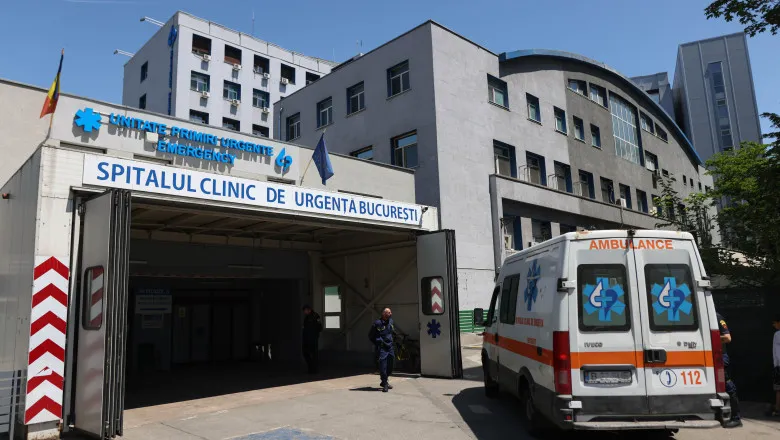
Six days of delays at Floreasca: patient with fractures operated on privately for 8,000 euros
8 September 2026
The Government has approved 2.1 million RON for 479 families in emergency situations
3 September 2026
 Foto ilustrativă
The Government grants emergency aid of over 2.18 million RON to families in need
3 September 2026
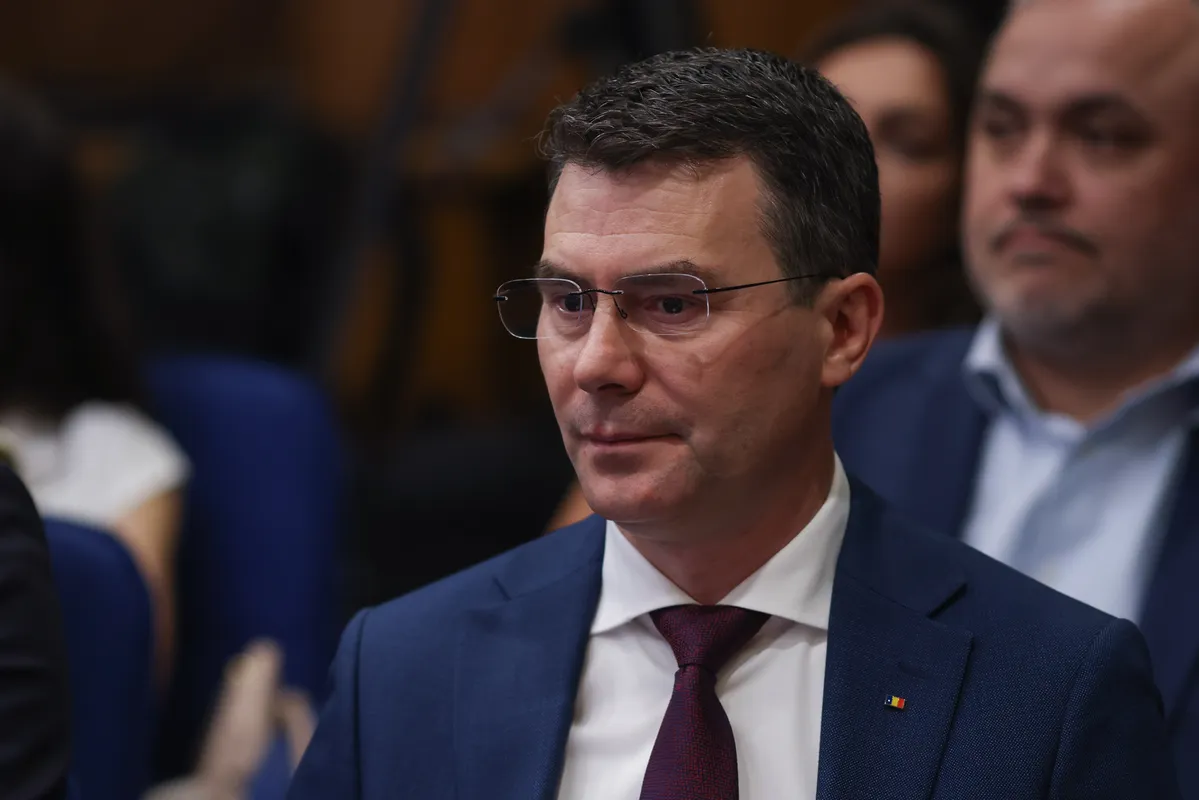
"My e-Health" hits snags at launch: CNAS says the platform is working
1 September 2026