
Frailty Syndrome in the Elderly: What It Is and How to Recognise It
Find out what frailty syndrome means, how to identify warning signs in your loved one, and what practical steps families can take to prevent serious complications.
Contents
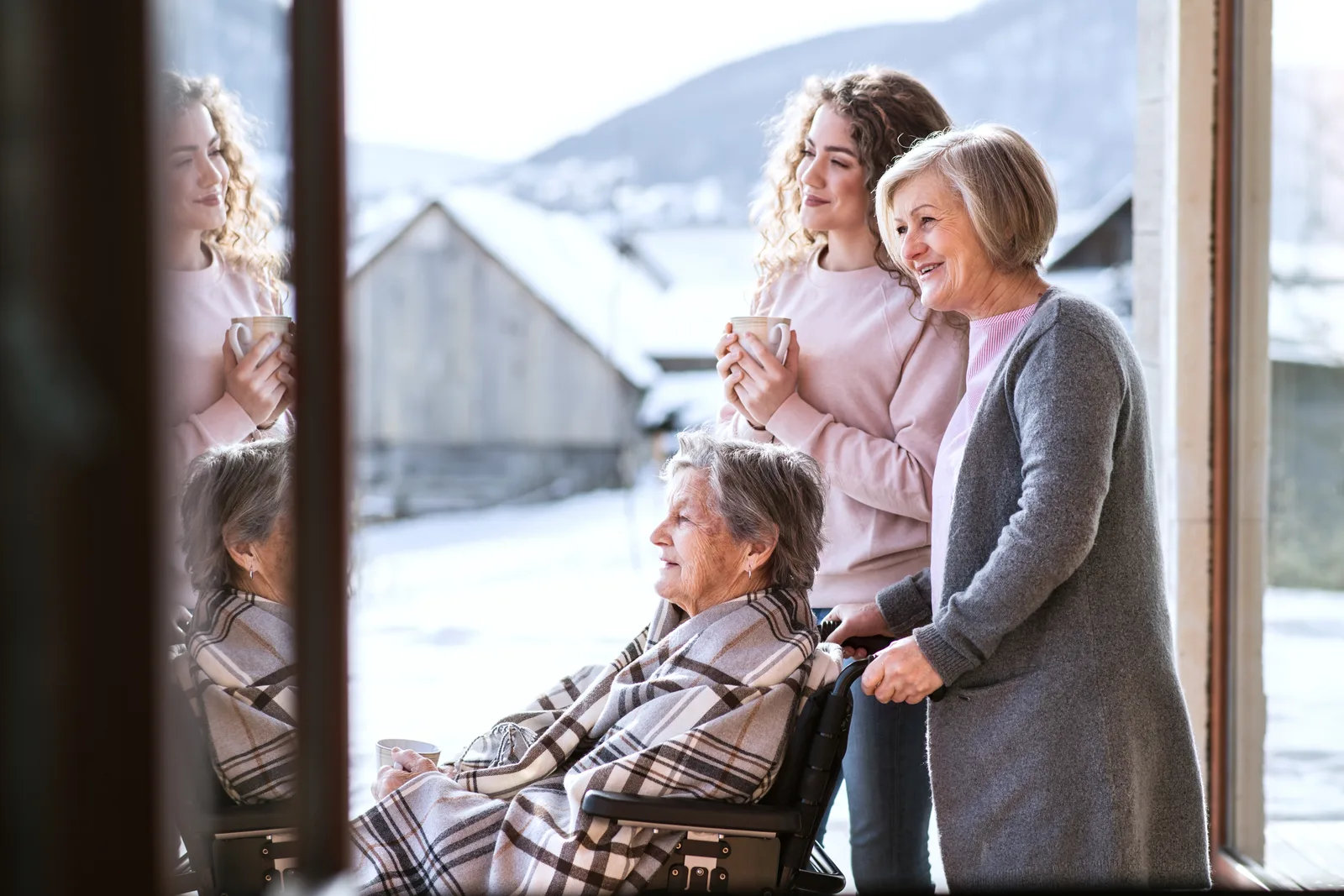
Maria noticed that her mother, Mrs Elena, aged 78, was finding it increasingly difficult to move around the house. At first, she thought it was simply the natural tiredness that comes with age, but when she saw her mother refusing to go to the market and sleeping more and more during the day, she became genuinely worried. At the GP's surgery, the diagnosis came as a surprise: frailty syndrome.
If you are noticing similar changes in your loved one, it is important to understand that this is not normal ageing. Frailty is a distinct medical condition that can be identified early and for which there are concrete solutions. Recognising the early signs makes the difference between maintaining independence and a rapid onset of dependency.
In this article, we will explore what frailty syndrome really means, how to recognise it in time, and what practical steps families can take to support their loved one. The information that follows will help you understand when to act and where to turn for specialist help.
Contents
- What frailty syndrome is and why it differs from normal ageing
- Concrete signs you can observe at home
- Why acting early is essential
- Practical steps for families: assessment and daily adjustments
- When and where to seek specialist help
- Prevention and long-term care
- Frequently asked questions
What frailty syndrome is and why it differs from normal ageing
Frailty syndrome represents a decline in the body's functional reserves, which makes older people far more vulnerable to stress, illness, or unexpected events. Unlike normal ageing, where a person maintains their independence and manages well with daily activities, frailty means that any unusual situation — a cold, a strong emotional shock, a change in routine — can lead to rapid deterioration.
In simple terms, think of frailty as a battery that runs down far more quickly than it should for that age. Researchers have developed clear criteria for identifying this condition, known as the Fried criteria, which have been simplified so that families can understand and apply them.
The Fried criteria explained for families
An older person is considered frail if they meet three or more of the following five criteria. If they show one or two signs, they are in the pre-frailty stage, when intervention is most effective:
- Unintentional weight loss – losing more than 4–5 kg over the past year without dieting or an obvious cause
- Extreme fatigue – the feeling that everything requires enormous effort, with low energy on most days
- Reduced muscle strength – difficulty lifting a bag of shopping or opening a jar
- Slowed walking pace – visibly slower movement, unsteady steps, avoidance of walking
- Low physical activity – almost no movement, spending most of the time indoors or in an armchair
These criteria are not arbitrary — they reflect profound physiological changes in the muscles, nervous system, and metabolism. Recognising them early allows for interventions that can slow or even reverse the process of becoming frail.
Concrete signs you can observe at home
Theory is useful, but what do you, as a family member, actually notice in day-to-day life? Here are the practical warning signs that should prompt you to speak with your GP or a geriatrics specialist.
Changes in weight and appetite
Clothes become too loose, the belt needs an extra notch or two, the face looks thinner than before. Your loved one may say they have no appetite or that "nothing tastes of anything any more." Sometimes they skip meals entirely or manage only a few spoonfuls. This weight loss does not come from a desire to slim down, but from a loss of appetite, difficulty chewing, or trouble preparing food.
Constant fatigue and exhaustion
The phrase "I'm tired" becomes part of the daily vocabulary. You notice that your loved one sleeps more during the day and declines activities they previously enjoyed — such as visiting friends or going for short walks. Even after a full night's sleep, they wake up with no energy. This type of fatigue does not improve with rest and significantly affects quality of life.
Difficulty moving and reduced strength
You may notice that your loved one:
- Struggles to get up from a chair and needs to hold onto furniture
- Avoids stairs or climbs them very slowly, stopping frequently
- Can no longer open jars or bottles that previously posed no problem
- Puts shopping bags down frequently to rest
- Prefers to stay indoors because going out becomes too tiring
Social withdrawal and reduced activity
A subtle but important sign: your loved one gradually gives up social activities and hobbies. They stop going to church, decline invitations to family events, and no longer take regular walks. This withdrawal is not always due to depression — it may simply be because the physical effort required has become too great.
Why acting early is essential
You may be wondering: why the alarm? Isn't it normal for older people to slow down? The answer is that frailty, if left unidentified and unaddressed, leads to a rapid downward spiral with serious consequences for health and independence.
Increased risk of falls and fractures
Frail individuals have a three to five times greater risk of falling compared to healthy older people. Reduced muscle strength, poor balance, and slowed reflexes turn any uneven surface or minor obstacle into a genuine hazard. A fall can lead to fractures — particularly of the hip — requiring hospitalisation and potentially changing a person's level of independence entirely.
Repeated hospitalisations and complications
Recent studies show that frail older people have significantly higher rates of hospitalisation. More worryingly, once admitted, they recover more slowly, remain in hospital longer, and are at greater risk of developing healthcare-associated infections or other complications. Each hospitalisation deepens frailty in a vicious cycle that is difficult to break.
Loss of independence and accelerated dependency
What concerns families most is that untreated frailty quickly leads to a loss of the ability to manage independently. Basic activities such as dressing, washing, or preparing meals become impossible. A person who was independent just a few months earlier may end up needing constant supervision or permanent care.
The good news is that early intervention can slow or even reverse frailty, particularly in its early stages. That is why prompt action makes all the difference.
Practical steps for families: assessment and daily adjustments
Once you have identified the signs of frailty, what can you actually do? Here are the steps that have a real impact and that families can implement gradually, with medical support.
Comprehensive geriatric assessment
The first essential step is a thorough medical assessment. A routine 10-minute consultation is not sufficient. A comprehensive geriatric assessment includes:
- Blood tests to identify anaemia, vitamin deficiencies, thyroid or kidney problems
- A review of all medications to eliminate interactions or inappropriate dosages
- Assessment of cognitive function and emotional wellbeing
- Testing of balance and muscle strength through simple procedures
- Identification of chronic conditions that may be contributing to frailty
Dietary adjustments and nutritional support
Nutrition is fundamental to combating frailty. Many older people do not consume enough protein and calories, which accelerates the loss of muscle mass. Here is what you can do:
- Increase protein intake – include eggs, cheese, yoghurt, fish, or lean meat at every meal
- Offer smaller, more frequent meals – instead of three large meals, try 5–6 small meals and snacks
- Enrich foods – add butter, cream, or olive oil to increase calorie content
- Make chewing easier – choose soft-textured dishes if there are dental problems
- Make food appealing – serve favourite dishes in a pleasant setting
In some cases, the doctor may recommend protein supplements or vitamins, but these should only be taken under medical supervision.
Gentle, adapted movement
Paradoxically, frail individuals have the greatest need for movement, but it must be adapted and safe. This is not about intense exercise, but simple activities that maintain strength and balance:
- Short daily walks, even indoors or on the balcony, with support if needed
- Bodyweight strengthening exercises – rising from a chair, arm movements
- Balance exercises – standing on one foot for a few seconds, walking in a straight line
- Gentle stretching to maintain flexibility
Ideally, these exercises should be recommended by a physiotherapist specialising in geriatrics, who can tailor them to the individual's abilities and limitations.
Reviewing medications
Many medications can contribute to frailty through side effects such as dizziness, weakness, or reduced appetite. Speak with the GP about:
- The possibility of reducing the number of medications (deprescribing)
- Adjusting dosages for the patient's current age and kidney function
- Discontinuing medications with a high risk of causing falls (for example, certain sedatives or antihypertensives)
When and where to seek specialist help
You do not need to manage your loved one's frailty on your own. There are professionals who can provide specialist support and who should be involved at an early stage.
The GP – the first line of intervention
The GP is the first specialist to contact when you notice signs of frailty. They can carry out an initial assessment, request tests, review medications, and refer you to other specialists. Do not hesitate to ask for a longer appointment or even a home visit if travelling is difficult.
The geriatrician – the expert in ageing
A geriatrician is a doctor specialising in the complex health issues of older people. Refer to one when:
- There are multiple chronic conditions that interact with one another
- The number of medications is high and there is a risk of interactions
- Frailty is moderate or advanced and requires a complex management plan
- The family needs guidance about prognosis and care options
Physiotherapists and physical therapists
These specialists can create personalised exercise programmes to safely improve strength, balance, and mobility. Adapted physical therapy is one of the most effective interventions for frailty, with effects demonstrated in clinical studies.
Nutritionists and dietitians
When there is significant weight loss or difficulties with eating, a nutritionist specialising in geriatrics can draw up tailored meal plans, recommend suitable textures, and advise on necessary supplements.
Social workers and case managers
A social worker can help you navigate the available services, access state benefits, home care services, or community support. They are familiar with local resources and can connect families with support programmes.
Prevention and long-term care
Managing frailty is not a sprint, but a marathon. It requires ongoing adjustments and adapting strategies as the situation evolves. Here is how to approach long-term care.
Creating a safe home environment
Simple adaptations in the home can prevent falls and support independence:
- Install grab rails in the bathroom and beside the toilet
- Remove slippery rugs and cables from walkways
- Ensure adequate lighting in all rooms, including bedside lamps
- Arrange frequently used items at an accessible height
- Consider a shower seat and non-slip bath mats
Regular monitoring and adjustments
Frailty fluctuates — it may improve with appropriate interventions or worsen during infections or stressful events. Monitor weight, mobility, and general condition monthly. Note any changes and discuss them with the doctor at regular check-ups.
Support for carers
If you are the person caring for your loved one, do not neglect your own needs. Caring for a frail person is physically and emotionally demanding. Seek out carer support groups, take regular breaks, and do not hesitate to ask other family members or professional services for help.
Frequently asked questions
Can frailty be reversed, or only slowed down?
In the early stages (pre-frailty or mild frailty), studies show that combined interventions — nutrition, exercise, and medical management — can reverse frailty. In advanced stages, the realistic goal is to slow progression and maintain quality of life for as long as possible.
How long does it take to see improvements after starting interventions?
It depends on the severity of the frailty and the consistency of the interventions. Generally, after 8–12 weeks of regular exercise and adequate nutrition, families notice improvements in strength and energy. However, significant improvement requires months of sustained effort and patience.
Is frailty the same as dementia?
No, they are different conditions. Frailty refers to a decline in physical reserves and increased vulnerability, whereas dementia affects cognitive function. They can coexist, but a frail person may have perfectly normal cognition. Both, however, require specialist assessment and management.
How much do geriatric assessment and physiotherapy services cost?
Costs vary. A GP consultation is covered by the National Health Insurance Fund. A private geriatric consultation costs around 200–400 RON, and physiotherapy sessions between 100–200 RON. Some services may be reimbursed with a referral through the public system, though waiting times may be longer.
Can I prevent frailty if my parent is healthy now?
Yes, prevention is the most effective tool. Encourage regular physical activity, a balanced diet rich in protein, maintaining a healthy weight, an active social life, and appropriate management of chronic conditions. These measures significantly reduce the risk of developing frailty.
What do I do if my loved one refuses help or says they are "fine"?
This is a common situation. Approach the subject with empathy and respect, pointing to specific observations — "Mum, I noticed you stopped three times on the way to the kitchen — let's see together what might help you." Involve the GP, whose voice often carries more authority. Start with small, non-threatening changes and build gradually.
Frailty syndrome in older people is a medical reality that you can recognise and act upon. The signs are visible in everyday life, and early interventions can make the difference between maintaining independence and a rapid onset of dependency. If you notice weight loss, extreme fatigue, or difficulty moving in your loved one, do not delay — speak with your GP and begin the practical steps described here. Your family is not alone on this journey — there are professionals and resources available to support you.
This article is intended for informational purposes only and does not replace medical advice. For specific situations, please consult a specialist.
Previous
How to Address Social Isolation in the Elderly: Practical Steps for Families
Next
Muscle Contracture in the Elderly: Recognition and Care
Similar articles
Frequently Asked Questions About Diabetes in Older Adults
13 September 2026

How to Manage Breathing Difficulties in an Elderly Person at Home: When to Call 112
13 September 2026

How to Manage the Financial Stress of Caring for an Elderly Relative
12 September 2026

How to Tell Your Parent a Serious Diagnosis: A Complete Guide
9 September 2026
Trial Period at a Care Home: What to Look Out for in the First 30 Days
8 September 2026

Nocturnal Agitation in Elderly People with Dementia: A Practical Guide
7 September 2026