
5 Practical Tips for Preventing Falls in Older Adults
Discover how you can transform your home into a safe space for your parents or grandparents. Tips verified by elderly care specialists.
Contents
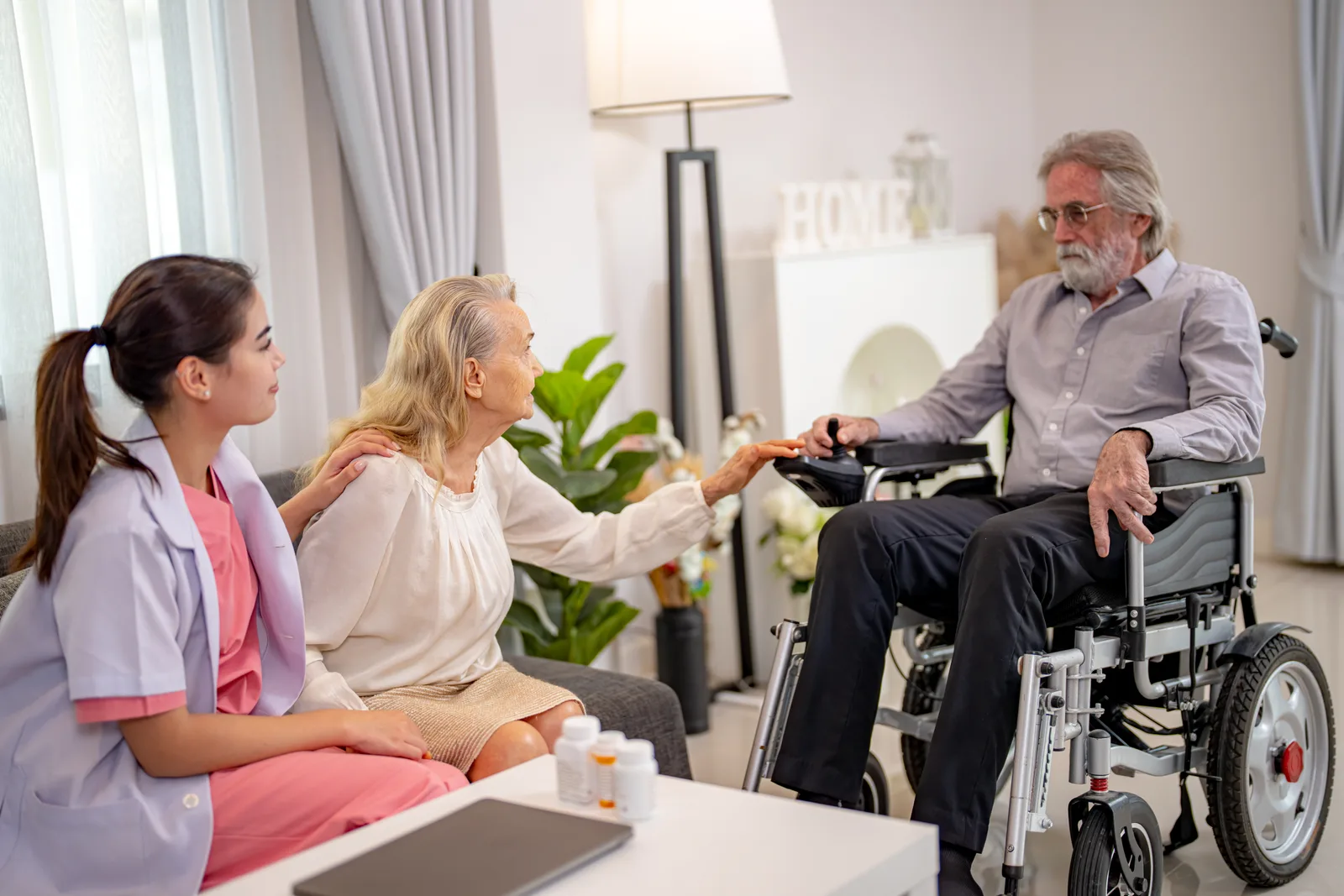
When Maria's mother fell in the bathroom for the second time in a single month, the decision was made quickly: the home needed to be adapted urgently. What had seemed like a simple slippery rug or a raised threshold had become a constant source of worry for the entire family. And she is not alone. Statistics show that over 30% of seniors living at home experience at least one fall per year, and the consequences can be devastating – from fractures to a loss of confidence in their own abilities.
The good news is that most falls can be prevented through simple modifications to the home and the adoption of safety habits. It is not about turning the house into a hospital, but about understanding the vulnerabilities specific to old age and adapting the environment to minimise them. Whether your parent lives alone or you live together, these practical tips will give you peace of mind that you are doing everything possible to keep your loved one safe.
As a family carer, the responsibility can feel overwhelming. Where do you begin? Which modifications are truly necessary, and which are merely optional? This guide offers you a clear plan, based on the experience of elderly care specialists and the most recent recommendations in the field.
Contents
- Assessing the risks in each room
- Adequate lighting and visibility
- Turning the bathroom into a safe space
- Furniture and adapting passageways
- Footwear and balance exercises
- Technology and monitoring systems
- When to call in a specialist
- Frequently asked questions
Assessing the risks in each room
The first step in preventing falls is to look at the home through different eyes – the eyes of a safety specialist. What seems familiar and harmless to you can pose a real danger to a senior with reduced mobility, weakened eyesight, or impaired balance.
Begin with a systematic inspection, room by room. Note every potential risk, from rugs to electrical cables. At AsertivO - Servicii Premium Pentru Seniori in Otopeni, the team of occupational therapists carries out detailed assessments for each resident, and their experience shows that most accidents occur in apparently safe areas.
Things to check in each room
- Rugs and mats – remove or firmly secure all loose rugs with non-slip adhesive tape, particularly those that curl at the corners
- Thresholds and level changes – clearly mark or level any height differences between rooms
- Electrical cables – fix them to the wall or conceal them under specialist covers; never leave them on the floor in walkways
- Slippery floors – apply non-slip strips or mats in high-risk areas, especially after wet cleaning
- Items stored at height – move frequently used objects to accessible levels, removing any need for ladders or climbing on chairs
Do not underestimate the importance of this stage. A thorough assessment may seem time-consuming, but it is the most valuable investment you can make. Involve the senior in the process as well – they know their daily routines best and may identify problem areas that you would otherwise overlook.
Adequate lighting and visibility
Many falls occur in poor lighting, when seniors make their way to the bathroom at night or in the early morning. Vision deteriorates with age, and adapting to changes in light becomes increasingly slow. Thoughtful lighting can make the difference between safety and an accident.
Install illuminated switches at both ends of corridors and staircases, so there is no need to walk in the dark to turn on the light. Motion-sensor lamps are an excellent solution for bedrooms, bathrooms, and hallways – they activate automatically when movement is detected.
Effective lighting strategies
- Night lights in the bedroom, bathroom, and hallway – choose models with a light sensor that switch on automatically in the evening
- Bright bulbs in critical areas – staircases, entrances, the kitchen, and the bathroom require a minimum equivalent of 100 watts LED
- Eliminating shadows and reflections – position lamps so they do not create confusing areas of shadow or cause glare
- Marked switches with phosphorescent paint or integrated LEDs for visibility at night
Think about the routes: from bed to bathroom, from bedroom to kitchen, from the entrance to the living room. Each of these routes must be perfectly lit, with no dark patches that require visual adjustment.
Turning the bathroom into a safe space
The bathroom is, without doubt, the most dangerous room in the house for a senior. The combination of slippery surfaces, moisture, confined spaces, and the need for complex movements creates the perfect conditions for accidents. With the right adaptations, however, you can dramatically reduce this risk.
Investing in bathroom safety need not be exorbitant. Basic modifications – grab rails, non-slip mats, and a shower seat – can cost between 500 and 1,500 RON, but their value in preventing a hip fracture is immeasurable.
Essential equipment for a safe bathroom
- Grab rails professionally fitted next to the toilet and in the shower cubicle – ensure they are secured to load-bearing walls, not just plasterboard
- A sturdy shower seat with non-slip feet – allows safe bathing without the risk of losing balance
- Non-slip mats in the bath or shower and on the bathroom floor – replace them when wear reduces their grip
- A raised toilet seat or toilet frame – reduces the effort and risk when sitting down and standing up
- A level-access shower – eliminates the dangerous step of a bath; if this is not possible, install a stable, non-slip step
At AsertivO, the medical rehabilitation specialists emphasise the importance of every senior having access to a bathroom adapted to their specific needs. There is no universal solution – what works for someone with arthritis may differ from the needs of someone with balance problems.
Organising products and accessibility
Place shower gel, shampoo, and towels at accessible heights, with no need for risky bending or stretching. Remove locks from cupboards and replace them with easy-grip handles. A shower organiser at the right height can prevent the need to bend or stretch dangerously.
Furniture and adapting passageways
Furniture can be either an ally or an obstacle in preventing falls. The way it is arranged, its stability, and the height at which items are placed can make the difference between independence and an accident.
Ensure that all corridors and access routes have a clear width of at least 90 centimetres. Remove coffee tables with sharp corners from walkways and replace them with rounded alternatives, or position them strategically against the walls. Furniture must be stable – test every chair, table, or bedside cabinet that your senior might lean on for support.
Intelligent furniture adaptations
- Armchairs and chairs at the optimal height – the seat should be approximately 45–50 cm from the floor, with firm armrests to assist when standing
- Bed at the right height – feet should rest flat on the floor when sitting on the edge of the bed
- Sturdy tables without narrow legs that could topple if someone leans on them
- Removal of fragile decorative objects from walkways where they could be knocked over
Create clear circulation routes, with no need to navigate around tables, chairs, or plant pots. Think about how seniors move in the morning, when they are stiffer, or in the evening, when they are more tired. Routes should be direct and free of obstacles.
Footwear and balance exercises
Preventing falls is not just about modifying the environment – the body itself can be trained to become more resilient. Appropriate footwear and regular balance exercises are just as important as grab rails or lighting.
Many seniors prefer slippers or going barefoot indoors, but this is one of the biggest mistakes. The right footwear provides stability, support, and grip – all essential elements in preventing slips.
Characteristics of safe footwear
- A non-slip rubber sole with a textured grip – never a smooth or overly thick sole
- A secure fit – avoid loose slippers that slide off or can be caught on something
- Ankle support for those with instability – soft ankle boots can be an excellent solution
- Simple fastenings – Velcro instead of laces for those with reduced dexterity
Balance exercises and strengthening the leg muscles are equally crucial. The medical rehabilitation programme at AsertivO - Servicii Premium Pentru Seniori includes daily physiotherapy sessions focused on balance, flexibility, and muscular strength – all of which significantly reduce the risk of falling.
Simple exercises to do at home
- Heel-to-toe walking – 10 steps each day, holding onto a stable support
- Rising onto tiptoes – 10 repetitions, holding the back of a chair
- Standing on one leg – a few seconds on each leg, next to a wall for safety
- Ankle circles – 10 rotations in each direction, for each foot
Consistency is key. Even 10–15 minutes a day can dramatically improve balance and self-confidence in just a few weeks.
Technology and monitoring systems
Modern technology gives family carers valuable tools to ensure the safety of seniors, even when they cannot be physically present. From simple devices to integrated systems, the options are becoming increasingly accessible and easy to use.
A medical alert system – whether in the form of a wristband, pendant, or wall-mounted device – allows the senior to call for help immediately in the event of a fall. Most services offer 24/7 monitoring and can contact family members, neighbours, or emergency services.
Useful technological solutions
- Portable panic buttons with coverage throughout the entire home – monthly costs range from 300 to 800 RON
- Automatic fall detectors that sense sudden movements and call for help independently
- CCTV cameras with a smartphone app – allow discreet safety checks
- Door movement sensors that send alerts if seniors leave the house at night or at unusual times
- Smart plugs for appliances such as hobs or irons, which switch off automatically
It is important to choose technology that your senior can use and understand. A system that is too complicated will quickly be abandoned. Test the features together and make sure they feel comfortable using it.
When to call in a specialist
Sometimes, despite all efforts, the risk of falling remains high due to complex medical conditions, severely reduced mobility, or cognitive difficulties. In these situations, professional support becomes essential.
If your parent or grandparent has already suffered repeated falls, experiences frequent dizziness, has difficulty walking even with a mobility aid, or their medical conditions are worsening, it is time to consult specialists in geriatrics and medical rehabilitation. An occupational therapist can assess the home and recommend specific adaptations, whilst a geriatrician can review any medication that may be affecting balance.
For families facing complex situations, specialist centres such as AsertivO - Servicii Premium Pentru Seniori in Otopeni offer not only continuous care, but also intensive medical rehabilitation programmes supervised by multidisciplinary teams. Here, doctors, physiotherapists, nurses, and carers work together to maximise the safety and autonomy of every senior.
Signs that it is time for specialist help
- Repeated falls – more than two episodes within six months requires urgent medical assessment
- Fear of falling that limits daily activities and leads to social isolation
- Severe mobility difficulties even indoors, with or without a walking frame
- Confusion or forgetfulness that increases risk – forgetting to turn off the hob, take medication, or recognise hazards
- Carer burnout – round-the-clock care is not sustainable in the long term
Do not wait for a fracture or a medical emergency. Consulting specialists early can prevent serious complications and offer solutions you may not have considered on your own.
Frequently asked questions
How much does it cost to adapt a home to prevent falls?
Costs vary enormously depending on the modifications required. Basic adaptations such as grab rails, non-slip mats, and lighting improvements can cost between 1,000 and 3,000 RON. More substantial renovations, such as removing thresholds or installing a level-access shower, can reach 5,000–15,000 RON. Start with the essential modifications and prioritise the highest-risk areas.
How do I persuade a stubborn parent to accept changes to the home?
Approach the conversation with empathy, not authority. Rather than highlighting their limitations, focus on maintaining their independence: "These modifications will help you stay in your own home for longer, and safely." Involve them in the decisions and begin with small, non-invasive changes. Sometimes a visit to the GP, who recommends the same things, carries more weight.
Do I need to install grab rails throughout the entire house?
Not throughout the entire house, but strategically in critical areas: next to the toilet, in the shower or bath, and possibly along one wall of a long corridor leading to the bathroom if it is used for night-time movement. Excessive installation can make the home feel institutionalised without adding significant benefit. Consult an occupational therapist to identify the optimal locations.
What if seniors refuse to wear appropriate footwear indoors?
Find a comfortable compromise – indoor shoes with non-slip soles and support that look and feel like ordinary slippers. Let them choose from several safe options themselves. Explain the concrete risks with real examples: "You know how our neighbour Ana hurt herself because of her slippery slippers." Keep a pair next to the bed for easy access first thing in the morning.
How long does it take seniors to get used to the changes in the home?
The adjustment period varies, but most seniors adapt within 2–4 weeks. There may initially be some resistance or confusion, particularly if cognitive difficulties are present. Be patient and consistent in your encouragement. In most cases, once they experience the benefits – greater stability and increased confidence – acceptance comes naturally.
Are different adaptations needed for men versus women?
Gender differences are not significant when it comes to fall prevention, but specific medical conditions and lifestyle should be taken into account. For example, women have a higher risk of osteoporosis, meaning the consequences of a fall can be more severe. Men may be more reluctant to accept aids and adaptations. Tailor solutions to individual needs rather than gender.
Preventing falls is a responsibility we share with our loved ones – they should not bear it alone, but nor can we be present at all times. Creating a safe environment, combined with regular exercise and, where appropriate, monitoring technology, gives your seniors the opportunity to maintain their autonomy and dignity for as long as possible. If the situation becomes too complex or you feel your own resources are running low, do not hesitate to seek specialist help. A properly adapted environment is not a sign of weakness, but an act of respect for the ever-changing needs that come with age.
Talk with your family, consult an occupational therapist or a geriatrician for a comprehensive assessment, and take action before the first serious fall. Every adaptation you make today is an investment in safety and peace of mind for tomorrow.
This article is intended for informational purposes only and does not replace medical advice. For individual situations, please consult a specialist.
Previous
When a Parent Refuses Visits: How to Handle Aggression in a Care Home
Next
How to Manage Challenging Behaviours in an Elderly Person with Dementia
Similar articles
How to Manage Aggression in Elderly People at Home: Causes and Solutions
20 September 2026
How to Recognise and Manage Neurogenic Bladder in the Elderly
19 September 2026
Swallowing Difficulties After Stroke: Managing Nutrition at Home
18 September 2026
Cataracts and Glaucoma in the Elderly: What Families Need to Know
17 September 2026
COPD in the Elderly: Warning Signs and Daily Care
16 September 2026
Home Visit Consultation with Your GP: Rights and How to Prepare
15 September 2026