
EU reforms pharmaceutical legislation after 20 years to tackle medicine shortages
The European Parliament has approved new rules to prevent medicine shortages, enable faster access to treatments, and increase European production of critical medicines.
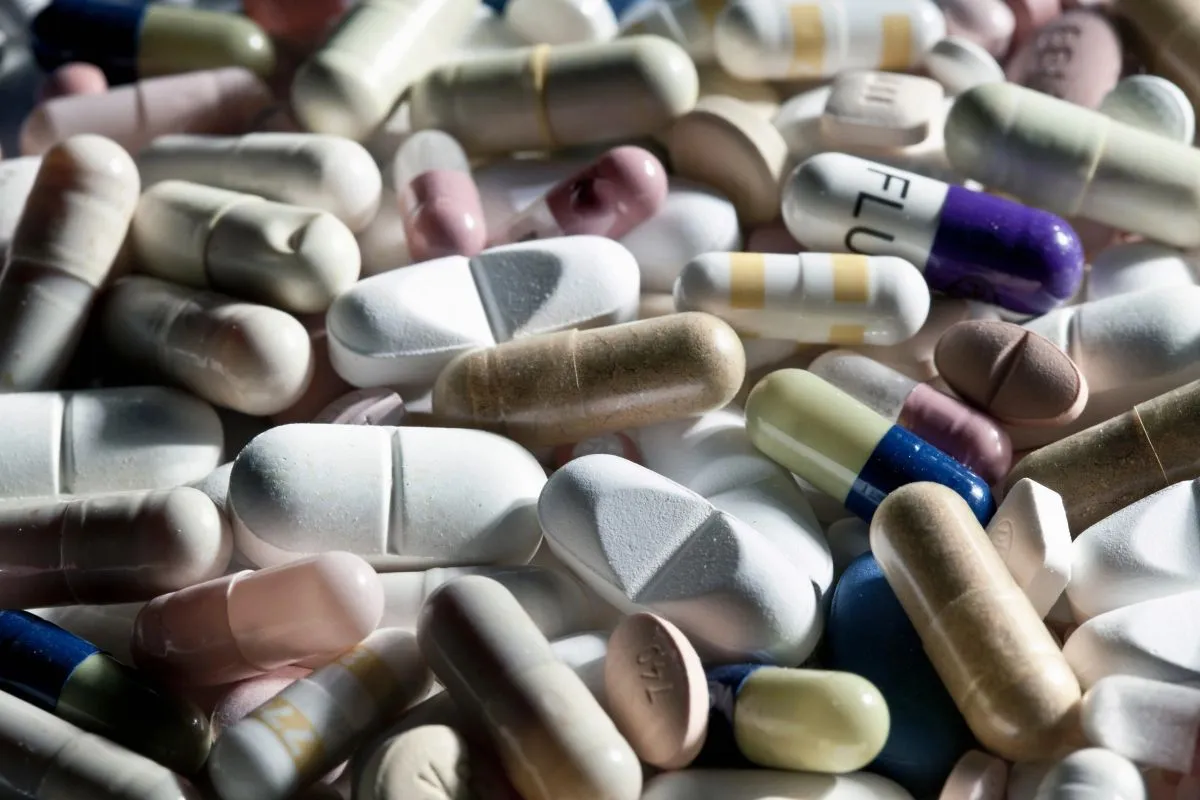
 Foto ilustrativă
The European Parliament approved on Wednesday the most sweeping reform of European pharmaceutical legislation in over 20 years. The new rules aim to prevent medicine shortages, accelerate patient access to treatments, and support the development of antibiotics, medicines for rare diseases, and treatments for children. MEPs also voted on the Critical Medicines Act, through which the EU seeks to increase the production of insulin, analgesics, vaccines, and other essential products.
Monitoring and prevention of medicine shortages
The new rules give authorities the ability to monitor available medicine stocks more closely and coordinate responses when shortages arise. Member states will be able to require pharmaceutical companies to ensure sufficient quantities to meet patients' needs, and manufacturers will be obliged to draw up prevention plans for shortages of medicines deemed critical.
Tiemo Wölken, rapporteur for the regulation within the pharmaceutical package, stated: "For too long, patients have faced medicine shortages, a lack of treatment options, and unnecessary delays. This agreement aims to change that. We are accelerating access to medicines, strengthening the fight against antimicrobial resistance, and rewarding innovation where it is most needed, particularly for rare diseases."
Up to 11 years of protection for new medicines
Newly authorised medicines will benefit from a base period of eight years during which other companies cannot use the product's data, followed by a further year during which generic or biosimilar medicines cannot be placed on the market. Manufacturers may receive additional periods of protection if they meet certain conditions, though the total duration cannot exceed 11 years.
Orphan medicines, intended for rare diseases, will have nine years of market exclusivity. In certain circumstances, innovative treatments addressing unmet medical needs may receive up to 11 years of protection.
To allow generic medicines to reach the market more quickly once protection for the original product expires, their manufacturers will be able to carry out certain activities required for authorisation in advance. The European Medicines Agency will in turn be able to simplify procedures and expedite the assessment of marketing authorisation applications.
Dolors Montserrat, rapporteur for the directive within the pharmaceutical package, stated: "We are taking a decisive step towards a stronger and more competitive European pharmaceutical sector. This legislation strikes a balance between research and innovation, faster and fairer patient access to medicines, and the sustainability of our healthcare systems."
Antibiotics by prescription only
Under the new rules, all antimicrobials will be dispensable only on prescription. Package leaflets will include clear information on the prudent use of these medicines, in order to limit misuse and the emergence of antimicrobial resistance.
Companies developing a new antimicrobial deemed a priority will be eligible to receive a "transferable data exclusivity voucher", granting them an additional year of protection. The measure is intended to stimulate investment in new antibiotics.
Adam Jarubas, Chair of the Committee on Public Health in the European Parliament, said: "We need new and innovative therapies for unmet medical needs, rare diseases, and paediatric conditions, and we need new antibiotics. We need equal access to medicines across all member states, without delays that currently can amount to two years or even more."
Greater European production of critical medicines
The Critical Medicines Act was adopted with 592 votes in favour, 35 against, and 30 abstentions. The measures target essential products such as antibiotics, insulin, analgesics, vaccines, oncological treatments, and cardiovascular medicines.
The new rules establish criteria for designating "strategic projects" at EU level, through which manufacturing capacities for critical medicines and active pharmaceutical substances could be created, modernised, or expanded. These projects will be eligible for easier access to financing, as well as administrative, scientific, and regulatory support.
Companies receiving public funding, whether national or European, will be required to prioritise the supply of the EU market. In public procurement, suppliers may be given an advantage based on the proportion of medicines and active substances manufactured within the European Union.
At least five member states will be able to join forces to procure critical medicines, treatments for rare diseases, and other products of common interest jointly — a mechanism designed particularly for smaller states, which have less negotiating power.
Tomislav Sokol, rapporteur for this act, stated: "The Critical Medicines Act is a victory for patients and European industry. Through a strong 'Buy European' approach, we are reducing strategic dependencies, boosting European pharmaceutical production, and strengthening the security of supply of critical medicines."
Implementation timeline
The regulation and directive from the pharmaceutical package are to be signed by the European Parliament and the Council of the EU and published in the Official Journal of the European Union. They will enter into force on the 20th day following publication, and the majority of their provisions will become applicable after 24 months.
Measures relating to notification, prevention, and monitoring of shortages will begin to apply six months after the regulation enters into force. Member states will have 24 months to transpose the directive into their national legislation.
The Critical Medicines Act still requires formal approval by the Council of the EU before publication and entry into force.
Content paraphrased and adapted by SeniorHelp from verified public sources.
Original source: Digi24 →Previous article
Rogobete: "Populism is to blame" for the imbalance in healthcare between contributors and the insured
Next article
Wage Garnishment for ANAF Debts: How Much Can the Tax Authority Withhold and Which Income Is Protected
Similar news

Health Budget 2027: unions demand 16% pay rises, general strike threatened
25 November 2026
 Foto ilustrativă
Rogobete: "Populism is to blame" for the imbalance in healthcare between contributors and the insured
25 November 2026

Wage Garnishment for ANAF Debts: How Much Can the Tax Authority Withhold and Which Income Is Protected
25 November 2026
 Foto ilustrativă
Simple motion against Health Minister Alexandru Rogobete, filed by PNL and USR
25 November 2026
41 new medicines will be added to the list of subsidised and free treatments
24 November 2026
41 new medications will be reimbursed by the state: which conditions are targeted
24 November 2026