
Minister of Energy: gas bills could drop by 10% from April 2027
Dumitru Chisăliță announces a possible 10% reduction in gas bills from April 2027, through the new draft ordinance for the transition to the free market.
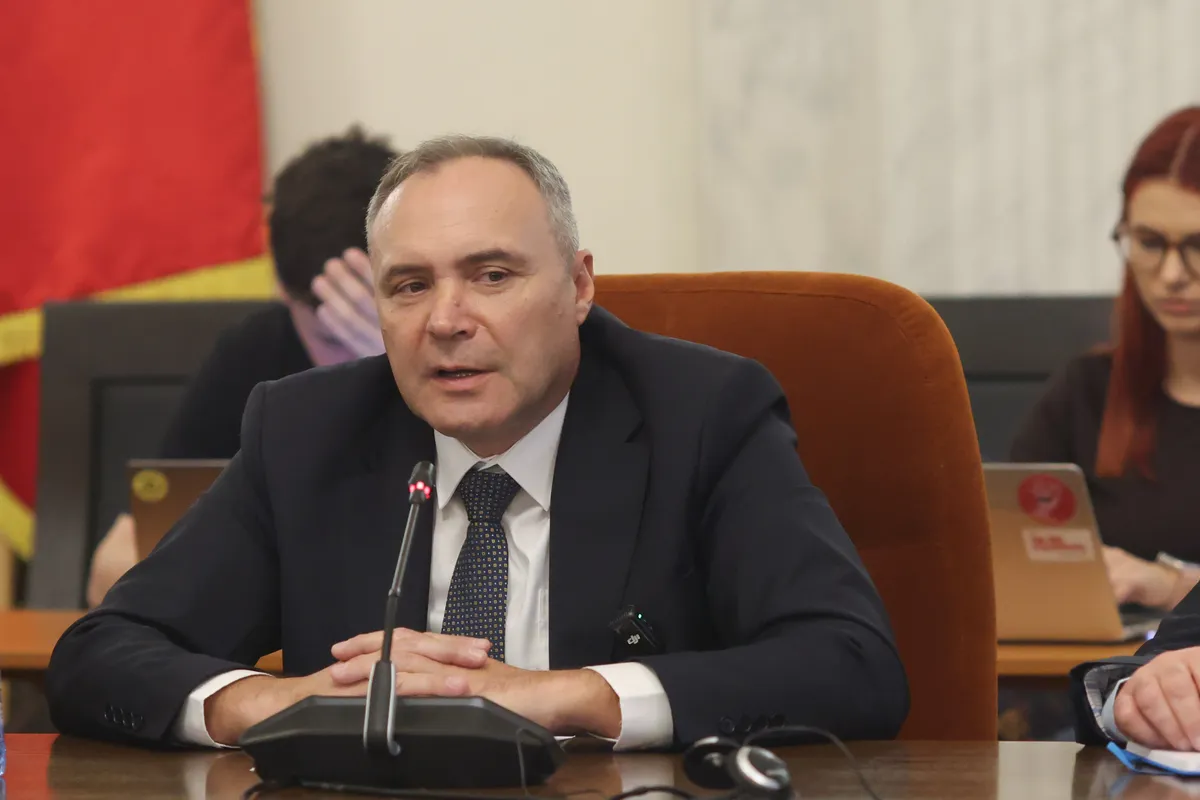
The Minister of Energy, Dumitru Chisăliță, presented on Tuesday a review of his first month in office and announced that final natural gas bills could fall by approximately 10% from 1 April 2027, if the draft prepared by the ministry is implemented in its current form. This estimate takes into account only the reduction in the regulated gas price, and changes to tariffs, taxes, and suppliers' margins could alter this outcome.
The draft emergency ordinance has been open for public consultation since 16 November and is set to apply between 1 April 2027 and 31 March 2028, providing a gradual transition from the current system of regulated prices towards the open market.
"The Emergency Ordinance, applied as we have envisioned it, will bring about a potential reduction in the price for the end consumer. Why do I say potential? Because we are dealing strictly with the commodity component. Changes in tariffs, taxes, or suppliers' commercial margins could throw off our calculations. However, taking into account solely the regulated price that we are setting, we believe the final price should fall by around 10% compared to current levels. The measure will come into force on 1 April 2027, and will remain in effect until 31 March 2028," said Dumitru Chisăliță.
According to the minister, during this period suppliers would be required to sell households a certain percentage of gas each month under the conditions established by the new mechanism, so that the transition to the open market takes place gradually. "Step by step, over the course of a year, consumers must move from this regulated phase into a free market phase, alongside awareness and information-sharing measures," explained Chisăliță.
Measures for non-household consumers
Transitional measures relating to energy efficiency and access to financing are being examined for non-household consumers. "We believe that a transitional measure must also be applied to non-household consumers. We are considering a series of measures to accompany the development of energy efficiency activities for these consumers, through loans made available to them, so that they can reduce their energy consumption and costs and be better prepared for the period ahead," said the minister.
Support for vulnerable consumers
The Ministry of Energy has submitted proposals to the Ministry of Labour for the continuation of existing support for vulnerable consumers throughout the 2026–2027 winter, as well as for a subsequent transition to a system that more precisely identifies who requires assistance and to what extent.
"The scheme we have proposed can deliver a consistent and fair approach for consumers, based on income, issues related to the layout of the home, medical conditions, and so forth. Our proposal is to design a dynamic approach, so that the number of vulnerable consumers decreases by 50% over ten years," said Dumitru Chisăliță.
The minister believes that support of 50 RON could cover the needs of many consumers, though he did not present the formula by which future allowances will be determined. According to the figures cited, in February 2026, out of 1,016,852 applications for electronic energy vouchers registered in the EPIDS application, 724,847 met the eligibility criteria.
Content paraphrased and adapted by SeniorHelp from verified public sources.
Original source: Digi24 →Previous article
The 50 RON energy aid could be extended in 2027, with new eligibility criteria
Next article
What a Rising PSA Means After Prostate Cancer Treatment
Similar news
European Commission: Romania Has Exceeded Alert Thresholds for 4 Economic Indicators in 2025
24 November 2026
Gas prices explode in Europe: storage facilities are only 69% full, below the 80% average
23 November 2026

BNR Forecasts 7.4% Inflation by Year-End and a Drop to 3.7% in 2027
23 November 2026
IMF warns: Romania needs 20 billion RON in budget savings by 2027
23 November 2026
Agriculture Minister calls for the continuation of commercial markup caps on food products into 2027
22 November 2026

Minimum Wage 2027: trade unions threaten general strike, employers' associations push for freeze
21 November 2026